
Have you ever questioned the validity of the theory that a perfect grip is the cornerstone of mastering the backhand in disc golf? It’s a widely accepted notion among enthusiasts and professionals alike that the way you hold the disc significantly impacts your throw’s distance, accuracy, and control.
As you refine your grip, you’ll discover that it’s not just about the strength of your fingers or the placement of your thumb but about finding a comfortable, consistent hold that works in harmony with your body’s mechanics. This guide aims to unravel the complexities of hand positioning, pressure, and the subtle nuances between different types of backhand grips.
While we explore common mistakes to avoid and adjustments to perfect your technique, you’ll find that the journey to a flawless backhand throw is filled with trial, error, and invaluable insights. Let’s embark on this journey to transform your game, one grip at a time, and uncover the secrets that lie within your grasp.
Key Takeaways
- Select the right grip for your throwing style, whether it’s a power grip for distance throws or a modified grip for precision.
- Proper thumb placement is crucial for grip stability and release, so finding the right balance between grip pressure and comfort is important.
- Experiment with different backhand grips to find what works best for you and adapt your grip based on the disc type and desired shot.
- Consistency in grip leads to improved technique, consistent release points, and follow-through, so practice and make slight adjustments to your grip as necessary.
Understanding Backhand Grip Basics
To master your backhand throw in disc golf, it’s crucial to start with selecting the right grip, be it a power grip for distance throws or a modified grip for precision. A backhand power grip, where all four fingers are tucked underneath the disc with your thumb on top, gives you the leverage needed for those long, sweeping drives. When gripping the disc, ensure your fingers are wrapped tightly around the rim, securing a good grip that doesn’t compromise on control.
While the power grip is common for distance, there are types of grips suited for different throwing styles and situations. The key lies in how you’re holding the disc. A modified grip, perhaps with fewer fingers around the rim, might offer more accuracy at the cost of some power.
Regardless of the grip you choose, consistency is your ally. Stick with one good grip and practice it relentlessly. This approach allows you to refine your technique, making slight adjustments as you gain experience.
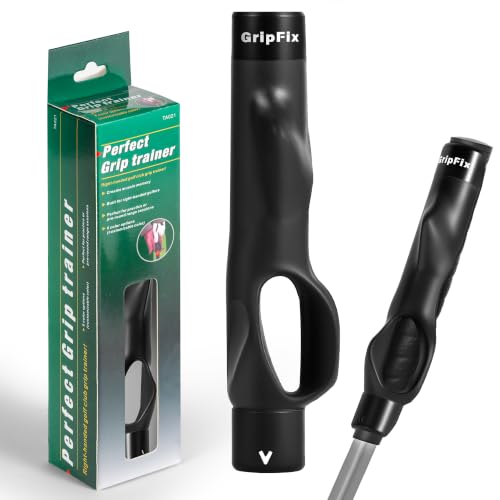
STOP SLICING & HOOKING INSTANTLY — Most inconsistent shots start with a bad grip. GripFix's precision-molded guides lock your left and right hands into the correct neutral position on every swing. Build muscle memory that eliminates weak grips, overlapping fingers, and palm misalignment — the fastest way to straighten your drives and gain shot confidence without expensive lessons.

Training grip provides the correct hand position for the right golf grip

PRACTICE BACKHAND OR FOREHAND: QOGIR disc resistance trainer is an excellent resistance training system for improving your disc golf arm speed. Great for enhancing your muscles and your muscle memory, this works both forehand and backhand driving techniques.Really help you build in the muscle memory to stop rounding.
Hand Positioning and Pressure
Having established the importance of grip in mastering your backhand throw, it’s equally critical to discuss how hand positioning and pressure play pivotal roles in controlling and stabilizing the disc throughout the throw.
Proper thumb placement, ideally with the thumb on top of the disc, significantly impacts grip stability and the disc’s release. This aspect of technique can’t be overstated; it’s the foundation upon which precision and power are built.
Finding the right balance between grip pressure and comfort is essential. Too much pressure can hinder the disc’s flight, while too little can cause a loss of control. The fan grip, with fingers spread out under the disc, offers a blend of control and flexibility for many players. However, the key lies in customization.
Skilled players adapt their grip, adjusting fingers and pressure to suit different discs and throwing scenarios. This adaptability isn’t just about preference; it’s about leveraging hand positioning to control the disc’s flight characteristics effectively.
Understanding how these elements affect your throw is paramount. Experiment with different grips and levels of pressure to discover what works best for you. Remember, mastery comes from not just following techniques but adapting them to your unique style and the demands of each throw.
Types of Backhand Grips
When exploring the realm of backhand throws in disc golf, understanding the nuances between different types of grips is crucial for optimizing your performance on the course.
The power grip, with all four fingers on the bottom of the disc’s rim, maximizes distance by leveraging the strength of your entire throwing arm. It’s the go-to for long drives where you’re aiming to cover as much ground as possible.
However, not all shots require brute force. For those shorter, more nuanced drives where precision trumps power, a modified non-power grip works wonders. This might involve using just two fingers on the disc’s rim, allowing for better control over the release angle and flight path. It’s a testament to the importance of matching your grip to the throw at hand.
Choosing a comfortable backhand grip that suits your throwing style is essential. Yet, don’t shy away from experimenting with different grips. Finding what works best for you often involves trial and error. Consistently practicing with one grip to hone the correct technique is key, but remember, flexibility in adapting to different grips can elevate your game to new heights.
Grip Adaptation and Adjustments
After exploring the foundational aspects of backhand grips, it’s essential to understand how adapting your grip can dramatically enhance your disc golf throws. The quest to find a grip that not only feels comfortable but also maximizes your throw’s efficiency is a journey of constant tweaking and learning. Here’s why grip adaptation and adjustments are vital:
- Experimentation Leads to Perfection: Trying out different grips allows you to discover what works best for your style. Whether you need a firmer grip for power or a more relaxed hold for control, the key is in the adjustments.
- Adaptability is Key: Your grip might need to change based on the disc type or the shot you’re aiming for. Adapting your grip for distance, control, or stability can make a significant difference in your game.
- Precision and Comfort: The way your fingers are tucked tightly around the disc, especially the positioning of your index finger and middle finger, alongside thumb placement, affects not only how you hold the disc but also how you release it.
How Can Improving the Forehand Technique Help Perfecting the Backhand Grip in Disc Golf?
Improving the forehand technique in disc golf can aid in resolving forehand discomfort disc golf while also enhancing the backhand grip. A solid forehand technique can help players develop better control, power, and accuracy, ultimately leading to a more consistent and effective backhand grip during gameplay.
Common Grip Mistakes to Avoid
In mastering the backhand throw in disc golf, it’s crucial to recognize and avoid common grip errors that can hinder your performance. One significant mistake is gripping the disc too tightly, which can drastically affect the disc’s release and its eventual flight. This overgrip compromises not only accuracy but also the smoothness of your follow-through, a cornerstone of disc golf technique.
Moreover, ensure your grip doesn’t cause discomfort or strain. Over time, such stress can lead to injuries, cutting your playing season short. Your grip should feel natural and maintain control without sacrificing comfort.
Thumb placement is another pivotal aspect often overlooked. A misplaced thumb can decrease stability and control during the throw, leading to inconsistent release points and flight paths. Aim for a balance that allows for precision without straining your hand.
Avoiding grip mistakes also means adapting your hold to different discs and scenarios. A one-size-fits-all approach doesn’t work in disc golf. Each disc and throw might require slight adjustments for optimal performance. Remember, consistency in your release points and follow-through starts with a proper grip.

CORRECTS HAND POSITIONING ON EVERY SWING: Molded guide attaches to your club and places your fingers, thumbs, and palms in the correct neutral grip position; helps eliminate common faults like a strong grip, weak grip, or open right hand that lead to slicing and hooking

WHY SHOULD I USE A CHALK BAG? – The Hyzer Hound Discs chalk bag was designed to help disc golfers increase their grip and deal with sweaty hands during the heat of summer! Simply hit the bag on disc or rub between your hands for a could of seconds before each shot and let it take effect. It is difficult to be confident in a shot when your hands are slippery and sweaty. We will fix this for you

LIFETIME WARRANTY: If you make a good quality product, you should back it up. This is why Rogue Iron Disc Golf designs our gear to last season after season.