
Interestingly, just as you’re seeking ways to improve your disc golf game, many players overlook the importance of resolving forehand discomfort, an aspect that can significantly enhance performance. You’re not alone in experiencing that nagging pain or discomfort after a day on the course; it’s a common issue that, if addressed correctly, can lead to improved precision and distance in your throws.
In this discussion, we’ll explore various strategies to alleviate and prevent forehand discomfort, focusing on shoulder mobility, grip techniques, and the pivotal role of proper stance and footwork. By incorporating effective warm-up routines and mastering a smooth follow-through, you’ll not only safeguard your shoulder health but also unlock a new level of performance in your game.
Stay with us as we unpack these strategies, offering you a pathway to a pain-free and more precise forehand throw.
Key Takeaways
- Gripping the disc with fingers on the rim and using a power grip can reduce strain on the wrist and forearm.
- Aligning the body to promote shoulder mobility and adjusting throwing technique can compensate for limited shoulder mobility.
- Incorporating effective warm-up routines, including dynamic stretches and shoulder mobility exercises, can prevent injuries and promote consistent performance.
- Mastering a smooth follow-through, focusing on finesse rather than force, can enhance accuracy and minimize discomfort in forehand throws.
Identifying Common Forehand Mistakes
Several common mistakes can significantly hinder your forehand throw in disc golf, affecting both accuracy and distance. Gripping the disc too tightly, especially with your index finger and middle finger, can decrease your control and the throw’s efficiency. This grip issue isn’t just about discomfort; it’s about losing the freedom to unleash your disc with precision.
Over-rotating the body is another freedom-stealer, causing inconsistency and loss of power. It’s like your body’s working against you, not for you.
Not engaging your hips and lower body is like leaving your most powerful allies on the bench. This oversight puts unnecessary strain on your arm and shoulder, limiting your throw’s potential. Similarly, relying too much on your wrist flick, primarily using your index and middle finger for that last-minute snap, restricts the involvement of your entire arm. This approach might seem liberating at first, but it’s actually a shortcut that limits control and distance.
Lastly, failing to follow through completely robs you of power and accuracy. Imagine cutting your freedom short right when it matters most.
Each of these mistakes is a barrier to performing at your best, but recognizing them is the first step towards breaking free and improving your game.

CORRECTS HAND POSITIONING ON EVERY SWING: Molded guide attaches to your club and places your fingers, thumbs, and palms in the correct neutral grip position; helps eliminate common faults like a strong grip, weak grip, or open right hand that lead to slicing and hooking

Training grip provides the correct hand position for the right golf grip

WHY SHOULD I USE A CHALK BAG? – The Hyzer Hound Discs chalk bag was designed to help disc golfers increase their grip and deal with sweaty hands during the heat of summer! Simply hit the bag on disc or rub between your hands for a could of seconds before each shot and let it take effect. It is difficult to be confident in a shot when your hands are slippery and sweaty. We will fix this for you
Grip Techniques for Reduced Strain
Adjusting your grip technique can significantly alleviate strain on your wrist and forearm, enhancing both comfort and performance in your forehand throws. When you grip the disc with your fingers on the rim, you’re not just honing in on accuracy; you’re also reducing the strain that a tight, awkward grip can place on your wrist and forearm. This method is a cornerstone among grip techniques for reduced strain, providing a balance between control and comfort.
Switching to a power grip can further distribute force more evenly across your hand, minimizing the stress on any single finger. It’s a technique that’s not just beneficial for your forehand throws but can also improve your backhand throw, offering a universal solution to grip-related discomfort.
For those seeking precision alongside reduced strain, the fan grip emerges as a stellar option. It allows for better control while simultaneously lessening the load on your wrist and forearm, making it ideal for players aiming for accuracy without the ache.
Incorporating a modified power grip, with the thumb resting comfortably on the flight plate, can offer a happy medium. It reduces strain on both the wrist and fingers, presenting a versatile approach that caters to various throwing styles.
Experimenting with these grip techniques can unlock a more enjoyable and strain-free experience in disc golf, ensuring your game remains on point without sacrificing comfort.
Optimizing Stance and Footwork
While refining your grip is foundational for reducing discomfort, optimizing your stance and footwork is equally critical for enhancing performance and preventing injury in disc golf. Your ability to throw with precision and power hinges not just on how you hold the disc, but also on how you position and move your body.
A well-adjusted stance and agile footwork can significantly mitigate the risk of injury, offering you the freedom to play without the hindrance of pain.
To optimize your stance, focus on aligning your body in a way that promotes shoulder mobility. This alignment is crucial for executing a sidearm throw with a forward elbow and a lagging disc, which are hallmarks of effective technique. If you’re struggling with shoulder mobility, adjusting your throwing technique can offer some compensation. However, it’s more beneficial to work on improving mobility to enhance your throw, even if it means sacrificing distance in the short term for long-term health.
Furthermore, the pivot and pop technique, essential for generating power in sidearm throws, depends on dynamic footwork. By perfecting your stance and footwork, you lay the groundwork for mastering these techniques, using a narrow pinch grip and focusing on the disc’s weight to develop your sidearm throws with putter and midrange discs efficiently.
Incorporating Effective Warm-Up Routines
Before diving into your next disc golf session, it’s crucial to incorporate dynamic warm-up routines that prepare your body and minimize the risk of injury. Effective warm-up routines are your ticket to freedom on the course, enabling you to throw the disc with precision and without discomfort.
Start with dynamic stretches like arm circles and torso twists to warm up the muscles essential for a powerful throw. These movements enhance blood flow and flexibility, crucial for the range of motion needed in disc golf.
Shoulder mobility exercises, including shoulder rolls and arm swings, are key to preventing injuries. They increase flexibility, allowing for a smoother and more effective throw. Incorporating resistance band exercises further activates and strengthens the muscles involved in the sidearm throw, building the resilience needed to play pain-free.
Gradually ramp up the intensity of your throws, beginning with light tosses and advancing to full-effort throws. This progression ensures your muscles are adequately prepared for the demands of the game. Throughout your warm-up, pay close attention to form and technique. Reinforcing proper mechanics through these exercises not only prevents strain but also ingrains the muscle memory necessary for consistent, pain-free performance.
How Can I Prevent Forehand Discomfort While Perfecting the Forehand Flex Shot in Disc Golf?
To prevent forehand discomfort while perfecting the forehand flex shot in disc golf, it’s essential to focus on proper technique and form. Ensure a smooth and fluid motion, and engage the entire body in the throw. Stretching and strengthening exercises specific to perfecting the forehand flex shot can also help alleviate discomfort.
Mastering Smooth Follow-Through
To maximize your disc golf performance, it’s crucial to master a smooth follow-through, as this ensures better control and reduces the risk of arm strain. Achieving a fluid motion post-release allows you to leverage the weight of the disc effectively, ensuring it travels in the desired direction with precision. The key is extending your arm and wrist toward your target, maintaining a natural and uninterrupted flow. This technique not only enhances accuracy but also minimizes discomfort, making each throw more enjoyable.
A smooth follow-through facilitates the transfer of energy from your body to the disc, optimizing your ability to throw with power without overexerting your arm muscles. It’s about finesse rather than force, allowing the disc to glide effortlessly. Remember, the goal is to make the follow-through feel as natural as taking a breath, with every movement contributing to the disc’s flight.
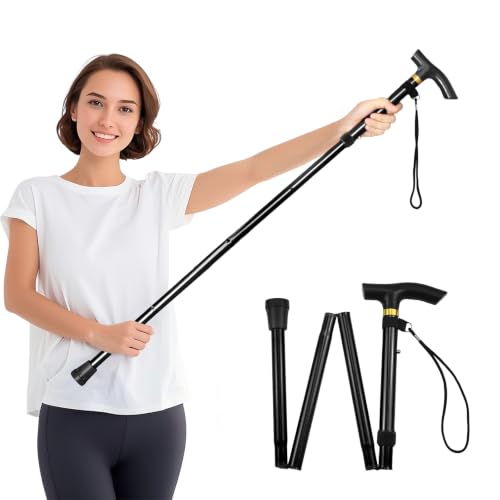
Shoulder Rehabilitation Essential: Designed to aid in recovery from shoulder injuries, this shoulder exerciser is ideal for rotator cuff tears, impingement syndrome, frozen shoulder, and arthritis. It helps restore mobility while reducing discomfort

PRACTICE BACKHAND OR FOREHAND: QOGIR disc resistance trainer is an excellent resistance training system for improving your disc golf arm speed. Great for enhancing your muscles and your muscle memory, this works both forehand and backhand driving techniques.Really help you build in the muscle memory to stop rounding.
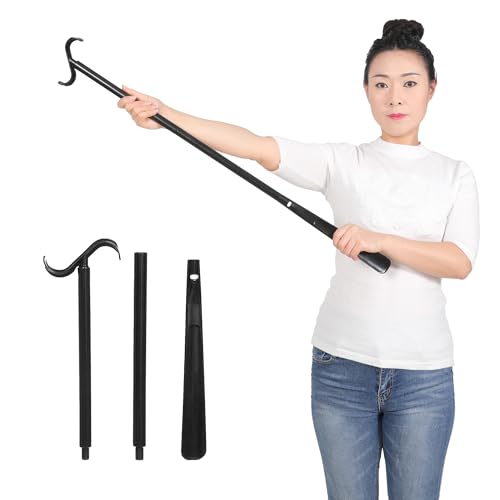
FANWER Shoulder Wand is portable and versatile shoulder exercise equipment, perfect for physical therapy and rehabilitation of rotator cuff injuries.