
You’re ready to elevate your frisbee golf game, and it’s time to get analytical. With strategic insights and a deep dive into the rules, you’ll master your scorecard like a seasoned pro.
From navigating course layouts to avoiding common penalties, this guide’s got your back. Embrace the freedom of the fairway with expert tips tailored for your success.
Let’s decode the game, avoid the traps, and score like you’ve never done before.
Understanding Frisbee Golf Scoring Fundamentals
To master your frisbee golf game, it’s essential to grasp the scoring system, which relies on counting the number of throws you take to complete each hole.
Analyze each fairway and choose your throwing techniques wisely—whether it’s a powerful backhand or a precise forehand flick, each stroke counts.
Disc selection is paramount; carry a variety that complements your strategy, from drivers for distance to putters for accuracy.
Remember, the freedom of the game lies in its simplicity: the fewer throws, the better your score. It’s not just about raw power; it’s about making each throw with intention, reading the course, and adapting.
Embrace the liberty to craft your path, and with each calculated toss, you edge closer to victory.
Reading the Course Layout for Strategic Advantage
Understanding the intricacies of each course’s layout and hole details is crucial as you navigate the challenges that come your way. Here’s what you need to focus on:
- Tee Signage: Always check the tee signage for hole difficulty, par information, and the distance. This is your roadmap for each hole.
- Obstacles: Analyze the placement of trees, water hazards, and elevation changes that can affect your throws.
- Basket Position: Look for the basket’s location, whether it’s visible from the tee or hidden. Plan your strategy accordingly.
- Landing Zones: Determine safe landing zones that offer a clear line for your next throw, considering the risk vs. reward of aggressive plays.

EFFORTLESS GLIDE & PRECISION: Designed for maximum glide and smooth flight, the River is the perfect beginner fairway driver, or and for many will be their farthest flying disc. Whether you're a beginner or an advanced player, the River's unique blend of stability and control allows for so many different shots.
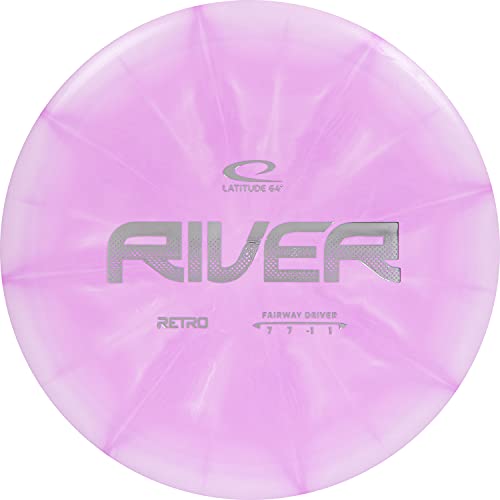
EFFORTLESS GLIDE & PRECISION: Designed for maximum glide and smooth flight, the River is the perfect beginner fairway driver, or and for many will be their farthest flying disc. Whether you're a beginner or an advanced player, the River's unique blend of stability and control allows for so many different shots.
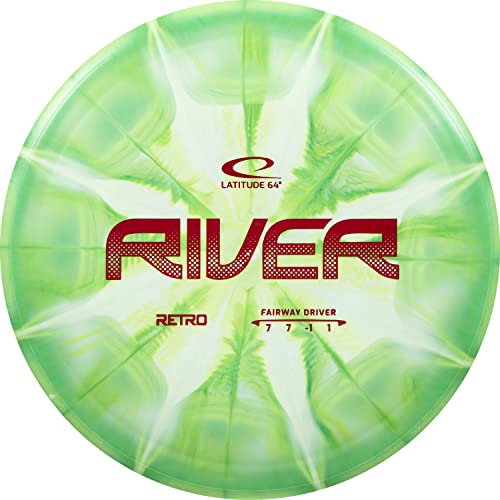
EFFORTLESS GLIDE & PRECISION: Designed for maximum glide and smooth flight, the River is the perfect beginner fairway driver, or and for many will be their farthest flying disc. Whether you're a beginner or an advanced player, the River's unique blend of stability and control allows for so many different shots.
Starting Play and Setting the Order
Once you’ve mapped out your plan from the tee signage to landing zones, you’ll kick off your frisbee golf adventure by determining the initial order of play based on the players’ scores from the previous hole, or if it’s the first hole, by a random method or agreed decision.
Refining your drive technique is essential; your first throw sets the tone for the hole. Consider the weather impact on your disc’s flight, adjusting your grip and release angle to counteract wind or rain. Here’s a table to stir up your competitive spirit and guide your strategy:
| Hole | Condition | Strategy |
|---|---|---|
| 1 | Calm | Full power |
| 2 | Windy | Controlled |
| 3 | Rainy | Grippy |
| 4 | Uneven | Precise |
Embrace the challenge, and let’s turn that freedom on the course into a commanding lead.
Recording Scores Accurately
As you mark your scorecard, it’s crucial to understand the symbols and shorthand commonly used in frisbee golf to denote each throw. Mistakes in scoring can lead to disputes and even penalties, so double-check your entries after every hole.
Familiarize yourself with the standard practices to ensure your score reflects your true performance on the course.
Keeping Your Scorecard Precise
In the realm of frisbee golf, accurately recording each throw on your scorecard is crucial to tracking your progress and adhering to the game’s standards. Understanding disc notation and scorecard symbols will sharpen your recording skills.
Here’s how to keep your scorecard meticulous:
Before starting your round, write down the par number for each hole. As you play each hole, mark the number of throws (or strokes) it took you to sink the disc. Use specific symbols, like a circle or square, to indicate any penalty strokes. After finishing each hole, tally up your score for that hole and keep a running total for your overall score.
Mastering these elements ensures you’re not just tossing discs, but navigating the course with a strategic edge. Your freedom to improve hinges on the precision of your scorecard’s tale.
Avoiding Common Mistakes That Can Skew Your Score
To prevent your scorecard from becoming your downfall, ensure every throw you record is accurate and truthful. In Frisbee golf, liberty on the course is paramount, but precision in scoring is non-negotiable.
Analyze your play: Did wind management affect that last drive? If so, don’t let pride skew your score. Remember, disc selection can significantly alter your game; each choice must be deliberate and strategic.
When jotting down your score, take a moment to reflect on the throw. Did you choose the right disc? How did the wind influence its path? Acknowledge these nuances; they’re crucial for honing your skills and recording your score with integrity.
In doing so, you’ll pave the way for genuine improvement and fair competition.
Knowing the Penalties to Sidestep
As you navigate the course, be aware that out-of-bounds throws can add strokes quickly to your scorecard; familiarize yourself with the course boundaries before you play.
When you’re approaching a hole with a mandatory route, plan your throw to avoid penalties for missing the required path.
Staying within bounds and adhering to mandatories are key strategies for keeping your score low and your play consistent.
Out-of-Bounds Throws
Every throw counts in frisbee golf, but landing out-of-bounds can add penalty strokes that you’ll want to avoid. To maintain your freedom on the course and keep your scorecard clean, here’s what you need to know:
- Master Throwing Techniques: Understand the mechanics of different throws to maintain control over your frisbee’s flight path.
- Read the Wind Effects: Adjust your throwing technique based on the wind’s direction and strength to prevent unintentional drifts out-of-bounds.
- Plan Your Shots: Visualize the trajectory before throwing and aim for safe zones that offer buffer space from the out-of-bounds lines.
- Practice Risk Management: Sometimes, playing it safe with a conservative throw trumps the allure of an aggressive play that could lead to penalties.
Mandatory Route Violations
You’ll face a one-stroke penalty each time your disc bypasses a mandatory route, known as a ‘mando,’ on the course. To keep your scorecard pristine, you’ve got to strategize effectively around these mandatory paths. Analyze the course layout before you throw; knowing the mandos can save you from unnecessary violation penalties. Here’s a quick reference table to visualize common scenarios:
| Scenario | Result | Action |
|---|---|---|
| Miss Mando | +1 Stroke | Re-throw |
| Hit Mando Marker | Play On | No Penalty |
| Clear Mando | Play On | No Penalty |
To dodge these penalties, focus on control over power. It’s tempting to unleash a monster throw, but precision is your ally here. Play within the boundaries of freedom that the course allows, and you’ll master the mandos with ease.
Embracing Proper Course Conduct and Etiquette
Before teeing off, it’s essential to understand the unwritten rules that govern player conduct to maintain a respectful atmosphere on the course. Your freedom on the fairway hinges not just on playing well, but also on playing right. Here’s how:
- Player Attire: Dress appropriately for the weather; light layers allow for a free range of motion and adaptability to changing conditions.
- Pacing: Keep up with the group ahead without rushing those behind. Your flow shouldn’t hinder others’ freedom to play at their pace.
- Silence is Golden: When others are throwing, your silence is a sign of respect. Focus on your next move in the quiet.
- Leave No Trace: Respect the course by picking up after yourself and others. Your freedom to play is tied to a clean, well-maintained environment.
Resolving Scoring Disputes Fairly
How do you ensure fairness when a scoring dispute arises on the frisbee golf course?
First, stay calm and discuss the issue respectfully with your fellow players.
If there’s confusion over the score, review the hole together, considering each player’s frisbee selection and the weather impact on play. Remember, disc choice can significantly affect a round, and sudden gusts or rain can unexpectedly alter a disc’s course.
In cases where consensus can’t be reached, consult the official rulebook.
If still unresolved, agree to seek a neutral party’s opinion, preferably an experienced player or course official.
Above all, prioritize sportsmanship and integrity. Your freedom to enjoy the game hinges on mutual respect and a commitment to fair play.
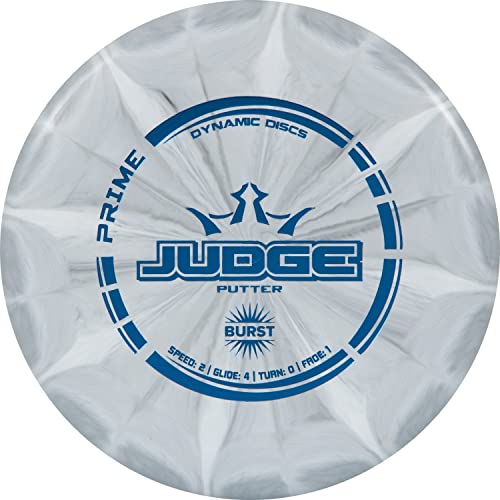
Dynamic Discs Judge Disc Golf Putter was named the 2013 Disc of the Year in the Player's Choice Awards for its incredibly predictable flight and its relentless pursuit of disc golf basket chains

Dynamic Discs Judge Disc Golf Putter was named the 2013 Disc of the Year in the Player's Choice Awards for its incredibly predictable flight and its relentless pursuit of disc golf basket chains

A Stable Approach Putter for Throwing at the Basket or for Maneuvering Across Tight Fairways