
You’re weighing every factor to master your disc golf game, and gloves are up for debate. They can enhance your grip or hinder your feel for the disc.
You value your freedom to choose gear that suits your style, so we’ll dive deep into the rules, materials, and weather conditions affecting glove use.
With expert insights, you’ll decide whether gloves give you that competitive edge or if bare hands are your ticket to victory.
Understanding Disc Golf Rules
Before you decide whether to wear gloves in disc golf, you must understand that the Professional Disc Golf Association (PDGA) rules allow their use, provided they don’t significantly alter the natural contour of the hand.
When analyzing the impact on your game, consider how gloves may interface with the course layout. A consistent grip can influence disc trajectory, which is essential in navigating complex courses with varied terrain.
Equally, assess how gloves could affect your scoring system strategy. Precision in disc control directly correlates with scoring potential; any variable that might enhance or hinder your tactile connection with the disc warrants meticulous consideration.
Prioritize understanding the nuanced regulations and their implications on your freedom to optimize performance within the sport’s technical framework.
How Gloves Impact Grip and Control
Donning gloves can be a game-changer in your quest for superior control over your discs, offering improved grip amidst varying weather conditions.
The tactile connection between your skin and the disc is fundamental, yet gloves can enhance this interface. They must provide sufficient finger flexibility to allow for unimpeded movement and nuanced pressure adjustments. Moreover, gloves should address skin sensitivity, ensuring protection without compromising the sensory feedback essential for precision throws.
| Factor | Gloveless Grip | Gloved Grip |
|---|---|---|
| Weather Impact | Variable | Stabilized |
| Finger Flexibility | Unrestricted | Dependent on Material |
| Skin Sensitivity | Exposed | Shielded |
| Consistency | Inconsistent | Enhanced |
Selecting the right gloves demands a balance between maintaining a natural feel and securing a reliable grip, tailoring to personal comfort and performance needs.

Designed by the player, this ultimate glove gives you the flexibility to control the disc for throwing and catching. It is very light, only 70g and even makes you forget to wear gloves.

RUBBERIZED GRIP DESIGN: Friction Gloves feature textured rubberized palms and fingers, creating steady disc control for drives and putts during disc golf rounds, outdoor play, and changing weather conditions.
RUBBERIZED GRIP DESIGN: Friction Gloves feature textured rubberized palms and fingers, creating steady disc control for drives and putts during disc golf rounds, outdoor play, and changing weather conditions.
Etiquette on the Course
As you navigate the fairways and greens, understanding and adhering to disc golf etiquette ensures a respectful and enjoyable experience for everyone involved. Player courtesy isn’t merely a suggestion; it’s a cornerstone of the game’s integrity. This includes yielding to faster groups, maintaining an adequate pace of play, and being mindful of your disc’s potential impact on other players’ games.
Noise control is equally critical. The clatter of discs, excessive chatter, or a phone’s ring can disrupt concentration and flow. Your autonomy on the course doesn’t equate to the liberty to impinge on others’ focus. You’re encouraged to express yourself but balance that with a technical understanding that silence is often a player’s ally.
Master the subtleties of course etiquette, and you’ll not only enhance your game but also earn the respect of your peers.
Battling the Elements: Gloves for Rain, Cold, and Beyond
You understand that inclement weather significantly impacts disc golf play, mainly through losing tactile feedback and disc control.
Rainy conditions necessitate gloves that offer enhanced grip to maintain performance, while cold weather challenges players to find gloves that provide sufficient insulation without sacrificing sensitivity.
Analyzing the balance between grip security and tactile sensation in varying climates is crucial for selecting appropriate disc golf gloves.
Rainy Day Grip
Every rainy round of disc golf tests your grip, but suitable gloves can be a game-changer. Wet discs challenge your control, demanding a solution that maintains tactile sensitivity while providing a non-slip surface.
It’s essential to scrutinize materials that balance these needs. Look for gloves designed with advanced fabrics that offer a textured grip that interacts optimally with the disc’s surface even when soaked. Such materials typically feature hydrophobic properties, repelling water to a degree, and are engineered to enhance grip under adverse conditions.
Additionally, the glove’s thickness should be minimal to avoid dampening the crucial tactile feedback required for precise throws. Choose wisely, and you’ll harness the freedom to execute your game plan, no matter the weather.
Cold Weather Feel
Brace yourself against the chill; cold conditions call for gloves that deliver warmth and a secure connection with your disc.
In the quest for optimal performance, your gloves must balance thermal insulation with tactile feedback to maintain grip consistency. This duality is paramount for disc golfers who demand the freedom to execute precise throws regardless of the temperature.
Consider the following table juxtaposing two vital characteristics of gloves designed for cold weather play:
| Tactile Feedback | Grip Consistency |
|---|---|
| Essential for maintaining a nuanced feel of the disc | Critical for ensuring a reliable hold throughout the game |
| May decrease with thicker materials | Can be enhanced with specialized textures or grip aids |
Selecting the right gloves thus becomes a technical deliberation, balancing the need for warmth against the imperative of preserving sensory connection and control.
Material and Design Considerations
Delving into the material and design aspects, you’ll find that the right combination can significantly affect your disc golf game’s precision and comfort.
Fabric durability is paramount; it ensures your gloves withstand the rigors of play without sacrificing tactile feedback. You’re seeking materials that resist abrasion yet remain supple enough to maintain sensitivity.
Design ergonomics play a crucial role, too; a glove that complements the natural curvature of your hand promotes a relaxed grip, reducing the risk of strain. Moreover, strategic stitching and paneling can enhance freedom of movement, allowing your joints to flex without constraint.
Such meticulous design details ensure that the glove isn’t just a barrier but a tool enhancing your connection to the disc, ultimately affording you the liberty to execute shots with confidence and control.
The Great Glove Debate: Weighing Insights from the Pros
You’ll find that experts are divided regarding professional endorsements of disc golf gloves.
Analyzing performance impact, they scrutinize data on how gloves affect the speed and stability of throws.
The debate on grip enhancement centers on the glove’s material and its interaction with a disc’s surface during varied weather conditions.
Professional Endorsements
Weigh in on the debate with insights from seasoned professionals who offer varied perspectives on using gloves in disc golf. Glove sponsorship can sway opinions, yet athlete preferences often drive the conversation.
To parse out the influence of endorsements, you must dissect the technical advantages gloves may provide. Pros point out that a glove can enhance grip stability during adverse weather conditions, potentially improving consistency and control. However, some argue that the tactile feedback from the disc to the bare hand is invaluable for nuanced shots, and gloves might impede this connection.
As you assess these expert views, consider how personal freedom of choice is paramount. Your decision on glove use should align with your unique play style and comfort, regardless of professional leanings.
Performance Impact
Considering the varied insights from professionals, it’s crucial to understand how gloves can directly affect your performance on the course.
Gloves may enhance grip, especially under adverse weather conditions, but they also potentially compromise finger flexibility. This is a crucial factor in executing precise throws.
Tactile feedback, the nuanced sense of touch between your fingers and the disc, can be diminished by gloves. Experts argue that this feedback is essential for controlling the angle and release of the disc, which are critical for accurate and consistent throws. They suggest that any glove design should prioritize maintaining finger dexterity and preserving tactile sensation to ensure the wearer’s connection with the disc is as uninhibited as possible.
Grip Enhancement Debate
Experts are divided on whether gloves improve your grip in disc golf, with some highlighting the benefits in wet conditions and others emphasizing the loss of disc control. Gloves offer hand warmth, crucial during colder rounds, yet they may reduce the tactile feedback vital for precision throwing. Here’s an analytical perspective:
| Pros of Glove Use | Cons of Glove Use |
|---|---|
| Enhanced grip in wet conditions | Reduced tactile feedback |
| Maintains hand warmth | Potential loss of disc |
| in cold weather | control |
You’re seeking freedom on the course, meaning choosing gloves hinges on personal preference and environmental conditions. Weigh the trade-off between grip security and sensory input to determine your optimal gear.
Do Gloves Improve Control and Freedom in Disc Golf Like Mastering the Elusive Basket-Top Landing?
When it comes to disc golf, mastering elusive baskettop landing can be the ultimate challenge. However, wearing gloves can improve control and freedom while throwing, allowing players to better navigate the course and aim for that elusive baskettop landing with precision and accuracy.
Gloves as a Strategic Edge: Consistency and Focus
You’ll find that incorporating disc golf gloves into your game may offer a strategic advantage, especially in conditions where grip is paramount. Analyzing the impact on throwing techniques, consider how a consistent grip can reduce variability in your release, leading to more predictable flight paths.
This consistency isn’t just about physical execution; it also extends to your mental focus. With gloves mitigating slip-related distractions, you can channel your cognitive resources toward strategic play decisions and environmental assessments.

WET-WEATHER GRIP. Water absorbet Sure-Grip Autosuede knit palm provides improved fit and sure grip in rainy conditions, conforming to your hand and club for unmatched control.
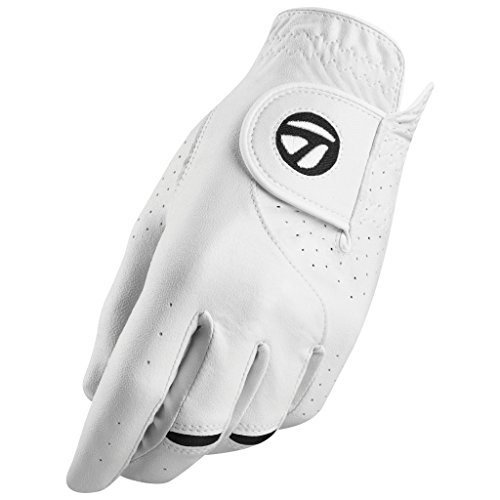
DURABLE PERFORMANCE: Wear resistant combination of Hypertec and leather

𝐌𝐎𝐑𝐄 𝐒𝐏𝐈𝐍 𝐎𝐍 𝐄𝐕𝐄𝐑𝐘 𝐓𝐇𝐑𝐎𝐖: The tacky synthetic leather palm gives your fingers the friction they need at the moment of release — so backhand drives, forehand shots, and approach throws all get more rotation and more consistent flight