
You’re on the tee, eyeing the basket. It’s not just about power; it’s strategy.
Knowing the average hole lengths on your disc golf course can make or break your game. Here, you’ll discover how to select the right disc, approach each hole methodically, and master distance control across varying terrains.
With these insights, you’ll navigate the course with precision, shaving strokes off your score.
Let’s delve into the art of playing smarter, not harder.
Sizing Up the Holes: Analyzing Length and Difficulty
You’ll face a mix of challenges on the course, as the length of each hole can vary significantly from one to the next. Grasping this variability is crucial to anticipate hole difficulty effectively. Short holes might suggest an easier play, but don’t be misled; they often require precise, technical skills to navigate obstacles.
Conversely, longer holes test your power and endurance, especially under adverse weather conditions.
Weather impact plays a pivotal role in your approach. Wind can turn a simple toss into a complex calculation, while rain can alter the disc’s grip and the course’s terrain.
It’s essential to adjust your technique and selection of discs in response to these environmental changes to maintain an edge over the course’s varied challenges.
Choosing the Right Discs for Each Hole
Choosing the right disc-setup is key to mastering each hole’s unique demands, ensuring you’ve got the best tools at your fingertips.
Disc stability is a crucial factor; overstable discs resist turning and handle headwinds well, while understable discs are better for tailwinds and can curve to the right for right-hand, backhand throws. Methodically analyze the hole’s layout; use overstable discs for precision in windy conditions and understable ones to navigate curves.
Weather impact on your disc choice can’t be overstated. Wind speed and direction alter a disc’s flight, demanding a strategic adjustment. In gusty conditions, opt for heavier, more stable discs to maintain control.
Conversely, calm days might allow for lighter discs that offer more distance. Always adapt your selection with a seasoned approach, matching the disc’s attributes to the current conditions and hole characteristics.

Best choice for: First Distance Driver and Tailwind Drives
![Latitude 64 Diamond (Opto) Driver Golf Disc, Pick Weight/Color [Stamp & Exact Color May Vary] Yellow 159 Grams or Less](https://m.media-amazon.com/images/I/51zlTWJXJeL._SL500_.jpg)

Best choice for: First Distance Driver and Tailwind Drives
Playing Smart: Strategy and Risk Management
Once you’ve selected the ideal disc, your next step is to master strategic approach techniques, adjusting your play to the average hole lengths you’ll encounter.
Effective shot placement isn’t just about power; it’s about precision and smart decision-making. Analyze the fairway and consider the safest route that also aligns with your strengths. Shorter holes often demand finesse; longer ones might allow for more aggressive plays.
Risk management is crucial. Weigh the benefits of a daring throw against potential hazards. Will that narrow gap between trees shave off a stroke, or could it cost you more if you miss? Methodically plan your approach, recognizing when to play conservatively and when to capitalize on an opportunity.
Your strategic choices, combined with disciplined execution, can significantly reduce your score.
Reading the Land: How Terrain Impacts Your Shots
Having mastered strategic approach techniques for varying hole lengths, you’re now faced with the challenge of adapting your play to the diverse terrains of a disc golf course. Terrain analysis is crucial; you must assess the lay of the land to determine how the ground’s undulations will affect your disc’s flight.
Elevation considerations are just as important. Uphill throws require more power and a different angle of release compared to downhill shots, which demand control to avoid overshooting the basket.
Methodically plan your approach by observing the landscape. Note any slopes, dips, or rises that could alter your disc’s path. Use this knowledge to adjust your throwing technique, ensuring that you’re not just throwing at the target, but also engaging with the terrain between you and the basket.
Refining Your Throw: Grip, Control, and Wind Adaptation
With your understanding of the course’s terrain, it’s essential to hone your distance control to tackle the varying lengths of disc golf holes effectively.
You’ll need to refine your grip techniques to maintain consistency in your throws. A power grip can maximize distance for long holes, whereas a fan grip may offer better control for shorter approaches. Analyze each throw methodically, factoring in the disc’s stability and speed.
Account for wind factors by observing the foliage and flags. Headwinds require more stable discs to fight through the resistance, while tailwinds can add extra glide. Crosswinds challenge your angle control, demanding a keen sense of disc orientation.
Practice these elements diligently, and you’ll master distance control, a critical skill for navigating disc golf courses with precision.

ABOUT THE DIAMOND - The Diamond is the perfect fairway driver disc for players just starting out in the game. It is part of Latitude 64's Easy to Use line which is designed to be better for beginners and players with lower arm speeds. Its understability allows these less experienced players to achieve effortless hyzer flips and gives them a disc that will fly straighter with minimal fade
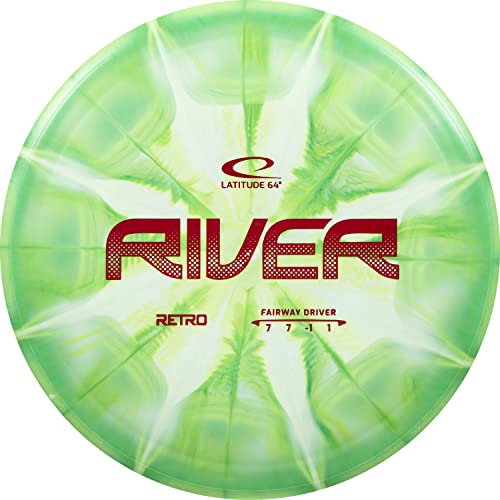
EFFORTLESS GLIDE & PRECISION: Designed for maximum glide and smooth flight, the River is the perfect beginner fairway driver, or and for many will be their farthest flying disc. Whether you're a beginner or an advanced player, the River's unique blend of stability and control allows for so many different shots.
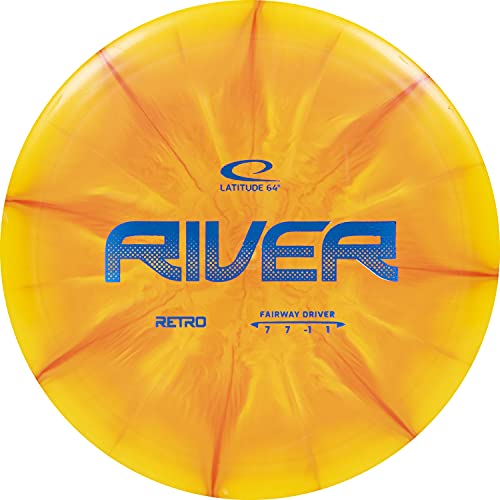
EFFORTLESS GLIDE & PRECISION: Designed for maximum glide and smooth flight, the River is the perfect beginner fairway driver, or and for many will be their farthest flying disc. Whether you're a beginner or an advanced player, the River's unique blend of stability and control allows for so many different shots.