
In the serene calm of the disc golf course, the explosive power of a well-executed sidearm thumber can set your game apart from the rest.
As you stand at the tee, you might not consider the thumber grip as your go-to technique, but its ability to navigate tight fairways and bend around obstacles offers a strategic advantage you shouldn’t overlook.
Mastering this unconventional throw requires a blend of finesse and brute force; the key lies in the nuances of your grip, stance, and release.
You’ll need to practice diligently, refining each component to harness the thumber’s unique flight pattern.
If you’re curious about how this technique can transform your game and provide you with a secret weapon on the course, stick around to uncover the subtleties that could turn your sidearm thumber into a consistent, reliable part of your disc golf arsenal.
Understanding the Thumber Grip
To master the thumber grip in disc golf, you’ll need to position your thumb firmly on the underside of the disc, ensuring control and stability during your throw. Imagine the disc as an extension of your own will, your thumb as the anchor granting you freedom to command its flight. The index finger rests along the outer rim, providing a counterbalance. This isn’t a casual hold; it’s precise and intentional.
Your grip’s tightness is crucial—too loose, and you’ll sacrifice power; too tight, and you’ll hinder the spin. It’s a delicate balance, one you’ll fine-tune with practice. Remember, the disc’s destiny is in your hands. Harness it, and you’ll unleash throws that cut through the air, defying the ordinary and achieving the extraordinary.
Mastering the Stance
Your stance sets the foundation for a powerful sidearm thumber.
Start by positioning your feet for optimal balance and power transfer, ensuring your weight shifts smoothly during the throw.
Correct torso alignment will stabilize your throw and increase accuracy, so pay close attention to your upper body positioning.
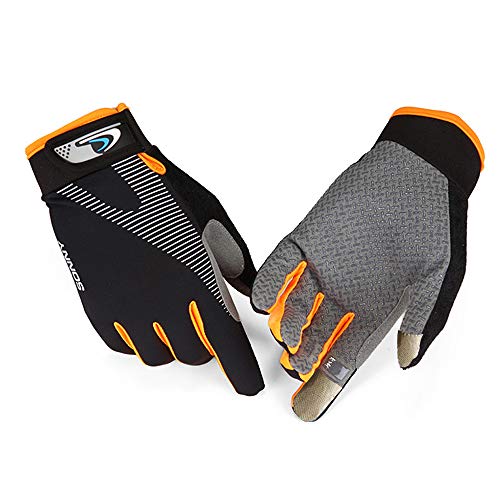

PREMIUM COMFORT AND DURABILITY: Designed for golfers seeking a high-quality grip that combines long-lasting performance with ultimate comfort.

Easily retrieve your disc from a hazard
Optimal Foot Placement
Mastering your stance begins with precise foot placement, which serves as the foundation for executing a powerful and accurate sidearm thumber.
- Lead Foot (Throwing Side)
- Position: Slightly forward, align with your shoulder
- Weight Transfer: Begin with weight on the back foot, shift to the lead foot during throw
- Trail Foot (Opposite Side)
- Placement: A comfortable distance behind, no wider than shoulder-width apart
- Balance: Maintain balance, enabling a dynamic pivot
Your feet anchor your throw, dictating the energy flow and stability. Plant them firmly but not rigidly, allowing for fluid motion.
Keep in mind, the freedom of your throw depends on how skillfully you harness the ground beneath you. Embrace the liberty to adjust your stance; find what grants you control and power.
Weight Distribution Essentials
Having established a solid base with precise foot placement, let’s now focus on the critical role of weight distribution in achieving the perfect stance for your sidearm thumber.
Balance is the linchpin here; you’ll want to start with your weight primarily on the balls of your feet, allowing for quick, agile movements.
As you initiate the throw, shift your weight smoothly from the back foot to the front, channeling the energy through your hips and core. This transfer is pivotal—it’s the engine behind your throw.
Imagine the power generated from a coiled spring, that’s your body in this moment. Keep your movements fluid and controlled; any hitch or imbalance can siphon off power and skew your throw.
Master this, and you’ll throw with both grace and authority.
Torso Alignment Technique
While adjusting your lower body positioning, ensure your torso remains aligned with your target, providing a stable axis for your arm to pivot around as you execute the sidearm thumber.
- Torso Alignment Technique:
- Keep your chest pointed toward your target at the start.
- Rotate your torso away as you reach back with the disc.
This technique is pivotal for maintaining control and precision. It’s about finding the sweet spot where you’re coiled enough to unleash power but not so much that you lose sight of your line.
Master this, and you’ll enjoy the freedom of a disc soaring exactly where you intended, with the added bonus of reduced strain on your body. Embrace the efficacy; let your stance set you free.
Optimizing the Windup
As you transition from mastering your stance, your focus must shift to the nuances of the windup. Begin by optimizing your arm positioning to ensure a smooth, consistent release; the angle and height of your elbow are critical factors here.
Grasping the disc with the correct grip technique is equally vital, as it lays the foundation for generating the optimal spin necessary for precision and distance.
Optimize Arm Positioning
To maximize your sidearm thumber’s potential in disc golf, it’s crucial to fine-tune your arm’s windup position for optimal power and accuracy. Here’s how to ensure that every movement is contributing to your throw:
- Start with a Controlled Grip
- Ensure your fingers are firmly wrapped around the disc
- Thumb position is key; it should be on top of the disc for leverage
- Windup Mechanics
- Keep your elbow tight to your body to harness power
- Rotate your shoulders to build momentum
Your arm’s path is the cornerstone of the throw. Remember, smoothness is freedom. Don’t rush the process. Let your body’s natural mechanics dictate the flow, and you’ll unlock the precision and distance you’re after.
Mastering Grip Technique
Perfecting your grip technique is essential for executing a powerful and accurate sidearm thumber in disc golf. To start, position the disc vertically, your thumb on top and two fingers beneath, pressing against the inside rim. Your index and middle fingers must act as a firm brace, enabling a controlled, snappy release.
Craft your grip until it feels natural; the disc is an extension of your body. It’s not just about strength, but finesse. Every nuanced adjustment affects trajectory and spin. You’re after a grip that’s tight enough to maintain control but loose enough to ensure a fluid release. Practice this balance relentlessly.
Generating Optimal Spin
Having honed your grip to harness the disc’s potential, it’s crucial to now focus on the windup to generate the spin that will dictate your sidearm thumber’s flight. The spin is your disc’s lifeblood, providing stability and distance.
Here’s how to perfect your windup:
- Start with a controlled stance
- Feet shoulder-width apart
- Weight balanced
- Draw the disc upward
- Lead with the elbow
- Disc at eye level
- Rotate your torso
- Power comes from your core
- Keep your movements fluid
- Snap your wrist at release
- The key to generating high RPMs
- Imagine flicking water off your fingers
Each motion is integral to the thumber’s success. Practice them until they’re second nature, and watch your disc soar with newfound freedom.
Executing the Release
As you initiate the release of the sidearm thumber, ensure your thumb is firmly pressing down on the disc’s underside while your fingers grip the outer rim. Your wrist must be locked at a slight angle, and your forearm should execute a whip-like motion, channeling the energy from your core and shoulders.
Release the disc at a consistent point, typically when your arm is perpendicular to your body. This precision becomes second nature with practice.
The disc should rip out of your hand, not merely be thrown, allowing the unique grip to dictate the flight path. Aim to release with the disc slightly tilted upward, leveraging the aerodynamics to maximize distance and accuracy.
Mastering this release is your ticket to unfettered performance on the course.
Controlling the Flight Path
Once you’ve mastered the release technique, it’s crucial to focus on manipulating the disc’s flight path to navigate the variety of obstacles a course presents. Here’s how to control your sidearm thumber for precision and freedom on the fairway:
- Adjust Grip Pressure
- Firm Grip: Tighten for more stability, resisting turnover in high winds.
- Loose Grip: Lighten up for a slower spin, allowing a more dramatic fade.
- Modify Release Angle
- Vertical Release: Ideal for tight windows, cutting through air with minimal deviation.
- Tilted Release: Use when you need the disc to curve around obstacles, leveraging the thumber’s unique overhead flight.
Master these nuances, and you’ll confidently carve lines through the sky, asserting your freedom over the course’s layout.
Can Mastering Disc Golf Throws Help Prevent Grip Lock Issues?
Mastering disc golf throws can play a crucial role in decoding grip lock in disc golf. By improving your technique and mastering various throws, you can prevent grip lock issues and achieve better control over your shots. Consistent practice and proper form are essential in minimizing grip lock occurrences.
Refining With Targeted Practice
To refine your sidearm thumber technique, integrate targeted drills into your practice sessions that focus on enhancing grip strength, release consistency, and flight path control.
Begin with grip exercises; squeeze a stress ball or hang from a pull-up bar to bolster your hand muscles.
Next, perfect your release by repeatedly throwing at a specific target from a moderate distance. Focus on the snap of your wrist and the angle of release. Gradually increase the distance as your precision improves.
Lastly, work on controlling your disc’s flight path by setting up obstacles that mimic the course’s challenges. Navigate your thumber around these barriers to gain a feel for its unique trajectory.
Commit to these drills, and you’ll master the freedom of the sidearm thumber’s flight.

QUIET - Reduces noice from basket chains for a quieter practice

U.S. Merino Wool: We source our 100% U.S. grown merino wool exclusively from sheep raised by American farmers on American farms. Merino wool keeps you cool in the summer and warm in winter.

IGNITE Foam: Revolutionary and proprietary midsole foam provides energy return, responsive comfort, stable cushioning, and superior step-in comfort.