
If you’ve recently undergone hernia surgery and are considering getting back into disc golf, there are important factors to keep in mind. From adjusting your throwing technique to understanding the impact on your core muscles, the journey back to the course can be both challenging and rewarding.
Discover how you can navigate this return with confidence, ensuring a smooth shift that supports your recovery and enhances your overall game.
Key Takeaways
- Gradually reintroduce disc golf post-surgery.
- Focus on low-impact, controlled movements.
- Prioritize core strength and proper form.
- Listen to body signals for discomfort.
- Consult healthcare provider for personalized advice.
Benefits of Disc Golf Post-Surgery
Engaging in disc golf post-surgery can greatly aid in your physical rehabilitation process by incorporating controlled movements and light exercise.
This low-impact activity not only helps improve core strength, which is vital for hernia surgery recovery, but also allows for a gradual return to physical exercise. The benefits of disc golf extend beyond just the physical aspect. Playing disc golf can positively impact your mental well-being by providing stress relief during the recovery period.
Incorporating disc golf into your post-surgery routine can be a fun and effective way to enhance your recovery experience. The controlled movements required in disc golf help in rebuilding strength and flexibility without putting excessive strain on your body.
Additionally, the social interaction and outdoor recreation that come with playing disc golf can further contribute to your overall well-being. So, grab your discs, head out to the course, and enjoy the myriad benefits that disc golf can offer post-surgery.
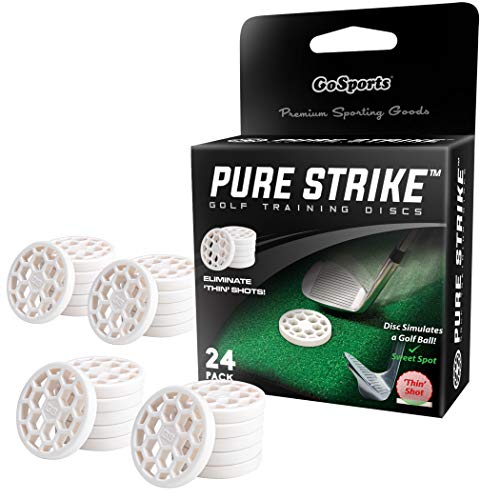
IMPROVE BALL CONTACT: Pure Strike Golf Training Discs help golfers practice cleaner ball-first contact and more consistent strikes while improving swing path, low point control and compression


Golf Training Aid: Our golf swing aid reinforces one of the key fundamentals of a good golf swing
Precautions to Take on the Course
When playing disc golf post-hernia surgery, remember to employ safe throwing techniques and perform proper warm-up exercises to reduce strain on your abdominal area.
Stay attentive to any discomfort or pain in the operated region and cease playing immediately if you experience any issues.
Gradually build up the intensity and duration of your disc golf sessions to aid your body in adjusting and healing effectively.
Safe Throwing Techniques
To guarantee a safe and effective disc golf experience after hernia surgery, focus on utilizing controlled movements and proper technique while throwing discs. Avoid sudden twisting or jerking motions that could strain your abdominal area post-surgery.
Using correct form not only minimizes the risk of re-injury but also helps engage your core muscles for added support during throws. Gradually increase the intensity of your throws to allow your body to adjust without overexerting yourself.
Listen to your body’s signals to avoid pushing beyond your limits and prioritize safety and healing. Taking these precautions is well worth it to secure a smooth recovery process, especially when they’re not sure how much strain your body can handle yet.
Proper Warm-Up Exercises
Are you aware of the significant role proper warm-up exercises play in safeguarding your body during disc golf post-hernia surgery?
Prior to hitting the course, focusing on gentle stretches and movements can help prevent strains and injuries. Especially after hernia surgery, it’s essential to prepare your body for the physical demands of disc golf. Avoid sudden, jerky movements on the course, opting instead for smooth, controlled motions to protect your healing abdominal area.
Listen to your body during warm-ups and adjust activities if you experience any discomfort or pain to avoid worsening your hernia surgery recovery. For personalized warm-up routines tailored to your specific post-hernia surgery needs, consider consulting with your healthcare provider or a physical therapist.
Tips for Improving Shot Accuracy
To improve your shot accuracy in disc golf after hernia surgery, focus on proper form and technique.
Consistent practice and repetition of shots can help enhance your accuracy and control on the disc golf course. Adjusting your grip, body positioning, and release angle can contribute greatly to better shot accuracy post-hernia surgery. Pay attention to these details and make necessary adjustments to improve your overall performance.
Utilize tools like video analysis or seek feedback from experienced players to identify specific areas for improvement in your shot accuracy. Their insights can offer valuable guidance on how to refine your technique and make more accurate throws.
Additionally, incorporating mental focus and visualization techniques can also aid in increasing shot accuracy during your disc golf sessions after hernia surgery. By combining these strategies with consistent practice, you can gradually enhance your shot accuracy and enjoy a more rewarding disc golf experience post-surgery.
Importance of Proper Form
Proper form in disc golf is essential for maximizing power, preventing injuries, and maintaining a consistent throwing technique.
By focusing on your form, you can reduce strain on your abdomen post-surgery and enhance your overall performance.
Engaging your core muscles and using correct body mechanics won’t only protect your surgical area but also help prevent hernia recurrence.
Form for Power
Maintaining correct form while playing disc golf is essential for optimizing power and minimizing strain on your body, particularly important after hernia surgery.
By focusing on your form, you can efficiently distribute power throughout your throw, reducing the risk of injury and ensuring a smoother recovery process. Engaging your core muscles and utilizing proper technique not only enhances your power but also aids in gradually building strength without overexertion.
Consistent practice of good form is vital to enjoying disc golf safely and effectively post-surgery, allowing you to prioritize your recovery while still engaging in the sport you love. Remember, proper form not only improves your performance but also plays an important role in safeguarding your body during this sensitive period of healing.
Injury Prevention Techniques
Enhancing your throwing technique in disc golf plays a critical role in preventing injuries, particularly post-hernia surgery. Proper form is essential for reducing strain on the core muscles affected by the surgery, helping to distribute physical stress evenly and minimize the risk of re-injury.
Focus on maintaining balance, posture, and controlled movements during your throws to protect the surgical area while playing. By engaging your core muscles correctly throughout your throws, you not only enhance your performance but also safeguard against potential setbacks.
Consistent Throwing Technique
To achieve a consistent throwing technique in disc golf, focus on refining your form for peak performance and injury prevention post-hernia surgery. Proper form is essential post-surgery to avoid strain on the body and guarantee a smooth recovery process.
Emphasizing consistent throwing technique not only reduces the risk of injury but also enhances accuracy and distance without hindering healing. By prioritizing form over power, you can strengthen core muscles and improve overall mechanics, aiding in long-term performance and injury prevention benefits.
Good posture and technique in disc golf play an important role in post-hernia surgery rehabilitation, helping you build strength while minimizing the risk of re-injury. Developing a sound throwing technique is key to optimizing your game and safeguarding your health after hernia surgery.
Building Strength and Endurance
To rebuild strength and endurance necessary for a successful return to disc golf post-hernia surgery, focus on a gradual conditioning program tailored to your needs. Building up core strength and overall fitness is vital after hernia surgery to prevent re-injury and enhance your performance on the course.
Incorporate targeted exercises that specifically work on strengthening the abdominal muscles, as this can help in reducing the risk of future hernias. Collaborating with a physical therapist or trainer to create a personalized workout routine is highly beneficial in optimizing your recovery process.
Mental Focus and Relaxation Techniques
After focusing on building strength and endurance to support your recovery from hernia surgery, now shift your attention to honing your mental focus and incorporating relaxation techniques for peak performance in disc golf.
Essential in disc golf post-surgery as it allows you to maintain concentration, make accurate shots, and adapt to various course challenges. To enhance your focus, consider incorporating relaxation techniques such as deep breathing and visualization. These practices can help you stay calm, centered, and focused during the game, reducing stress levels and improving overall performance.
Practicing mindfulness and staying in the present moment while on the disc golf course can further boost your performance. Utilizing pre-shot routines and mental imagery can enhance consistency and decision-making, leading to more successful plays.
Developing a positive mindset and effectively managing stress are also key factors that can contribute to better performance and increased enjoyment of disc golf after hernia surgery.
Remember, a clear and focused mind is just as important as physical strength in excelling at this sport.
Celebrating Milestones and Progress
Marking achievements along your recovery journey from hernia surgery can provide a sense of accomplishment and motivation as you return to disc golf. Celebrating milestones post-surgery involves gradually reintroducing yourself to the sport while ensuring safety and listening to your body’s signals.
Progress in disc golf after hernia surgery can be measured by increased stamina on the course, evident through longer rounds without feeling fatigued. Improvements in shot accuracy, like hitting more fairways or sinking longer putts, can also signify positive advancement.
Achieving personal bests in disc golf post-surgery, such as scoring under your previous average or mastering a challenging hole, can be a significant milestone worth celebrating. Tracking metrics like distance and control can help showcase your progress and highlight areas where you have improved.
Ultimately, celebrating the ability to enjoy disc golf again after surgery underscores the success of your recovery journey and the dedication you’ve put into getting back on the course.
How Can Disc Golf Help with Recovery After Surgery?
After undergoing hip replacement surgery, a thoughtful guide to disc golf after hip replacement can be a valuable resource. Engaging in this low-impact sport can contribute to rehabilitation by providing gentle exercise and promoting mobility. The outdoor setting also offers mental relaxation and a sense of normalcy during recovery.
Conclusion
To sum up, disc golf can be a beneficial activity for individuals recovering from hernia surgery by providing a low-impact way to engage in physical rehabilitation and improve core strength. By focusing on safe throwing techniques, proper warm-up exercises, and building strength and endurance, players can promote a positive mindset and reduce the risk of injury.
Incorporating mental focus and relaxation techniques can aid in stress relief and enhance the recovery process. Celebrate milestones and progress as you continue to improve your game.

Best choice for: Straight Line Driver, Anhyzer Shots and Roller Shots

Best choice for: Long hyzers and maximum distance with great control
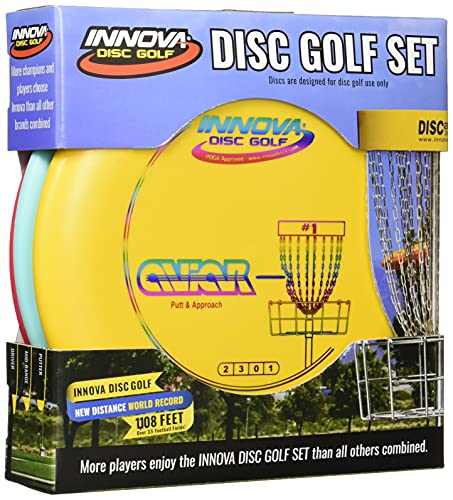
Complete Set: Includes One Driver, One Mid-Range And One Putter