
When Paul McBeth missed his shot at the 2015 World Championships, the disc veered off into the crowd, reminding you that even pros can make mistakes that put others at risk.
As you pursue the thrill of disc golf, remember that freedom on the course comes with responsibility. You’ve got to watch out for flying discs, as a casual game can quickly lead to a painful injury if you’re not alert.
Navigating the course, you’ll encounter natural obstacles; it’s your job to recognize poison ivy, dodge dehydration, and stay vigilant for wildlife.
While you relish the open greens, remember that repetitive throws can strain your arm, so take it easy and listen to your body.
True freedom means playing smart, so you can keep enjoying the game without unintended hazards taking you out of the action.
Promoting Disc Golf Safety
You’ll face significant risks when you don’t look out for high-speed discs, which can clock in at speeds topping 70 miles per hour. On disc golf courses, these flying objects pose a real threat; just ask Naomi Cooke, who experienced their potential for harm first-hand.
Analyzing past incidents, it’s clear that reckless throwing, as with Champ Emp and Leah Tsinajinnie, endangers everyone on the course. Your freedom to play responsibly hinges on being aware of your surroundings. To mitigate risks, you must adopt a preventive approach—check for blind spots, wait for players ahead to clear out, and always be mindful of where others are positioned.
Educating players on safety and etiquette is key to ensuring that everyone can enjoy the game without fear of unexpected injury.
Preserving Disc Golf’s Natural Beauty
As you traverse the course, be mindful of the terrain; repeated foot traffic can cause significant erosion, undermining the integrity of the landscape.
Discarded plastics, often from the discs themselves, contribute to environmental pollution and can harm local wildlife if not properly disposed of.
To protect the courses for future play, it’s crucial to stick to designated paths and ensure all trash, especially plastics, is removed from the area.
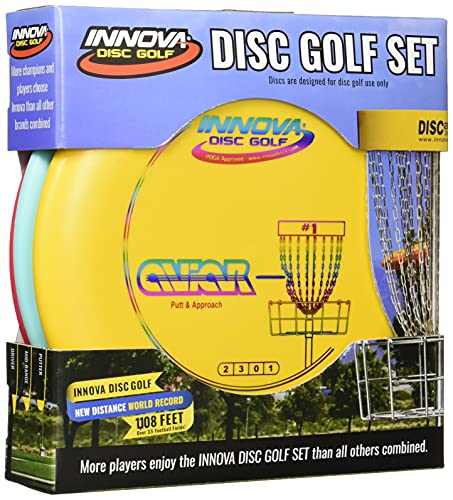
Complete Set: Includes One Driver, One Mid-Range And One Putter

ALL YOU NEED TO START - This disc golf beginner set contains 3 of our most popular from our entire lineup and provides you with a putter, midrange & a fairway driver. Everything you need to head out to the course. Our disc golf disc set includes some of the most widely known best disc golf discs for beginners just starting out, in an easy to throw plastic

WHY SHOULD I USE A CHALK BAG? – The Hyzer Hound Discs chalk bag was designed to help disc golfers increase their grip and deal with sweaty hands during the heat of summer! Simply hit the bag on disc or rub between your hands for a could of seconds before each shot and let it take effect. It is difficult to be confident in a shot when your hands are slippery and sweaty. We will fix this for you
Erosion From Foot Traffic
While enjoying your game, be mindful that constant walking on the same paths can lead to significant soil erosion on disc golf courses. This isn’t just about a few displaced pebbles; the cumulative impact of many feet can strip away the protective vegetation layer, exposing the soil to the elements. Over time, this can cause profound changes in the landscape, upsetting the delicate ecological balance.
During tournament play, foot traffic intensifies, exacerbating these effects. To combat this, you’re encouraged to stick to designated pathways and avoid creating new trails.
Additionally, supporting maintenance efforts that repair and prevent erosion demonstrates a commitment to preserving the course’s natural beauty. Your conscious steps ensure that disc golf remains a sustainable sport for future generations to enjoy freely.
Discarded Plastic Pollution
Considering the pristine nature of many disc golf courses, it’s essential that you’re aware of the environmental hazards posed by discarded plastic pollution. As disc golfers, your love for the sport shouldn’t overlook the responsibility you have towards the environment.
Plastic discs carelessly thrown away or left behind can cause significant harm to wildlife and the natural beauty of the courses. It’s not just about losing a disc; it’s about preserving the very arena you play in.
Being mindful of where you discard your discs isn’t just courteous; it’s crucial for the sustainability of the sport. Educate your peers and adopt practices that prevent plastic pollution.
Your actions can ensure that disc golf remains a freedom enjoyed within an unspoiled landscape.
Playing Smart to Prevent Injury
In light of the repetitive and forceful movements you make when playing disc golf, you’re at an increased risk for overuse and strain injuries, particularly in the shoulder area. A Danish study’s findings indicate that 13.3% of players experience such injuries, with symptoms lasting a median of 240 days. This evidence underscores the gradual and insidious nature of overuse and strain injuries in disc golf.
To preserve your freedom to play without pain, it’s critical to adopt preventive practices. These include proper warm-up routines, strength training focused on shoulder stability, and technique refinement to reduce undue stress on your body. By integrating these strategies, you can mitigate the risk of overuse and strain injuries, ensuring longevity in the sport.
Staying Safe in Disc Golf’s Elements
You should always stay hydrated and be wary of the weather, as neglecting these concerns can quickly turn a round of disc golf into a risky endeavor.
Prolonged exposure to the sun, especially during the sweltering summer months, can lead to sunburn and increase your risk of dehydration. It’s vital to be proactive and mindful of high heat and humidity, which exacerbate the likelihood of your body losing essential fluids.
To prevent dehydration, drink plenty of water before, during, and after your game. Don’t just trust your thirst; it’s a lagging indicator of your body’s needs.
Additionally, check the weather forecast and plan accordingly, ensuring you have adequate water and protection against the elements. This preventive approach will keep you safe and enhance your freedom to enjoy disc golf without health compromises.
Mastering the Disc Golf Landscape
As you traverse the unpredictable landscape of a disc golf course, it’s crucial to prioritize ankle injury prevention.
Selecting appropriate footwear with adequate support and grip can mitigate the risk of falls associated with uneven terrain.
Additionally, refining your trail navigation skills can help you anticipate and avoid potential hazards, ensuring a safer play experience.
Ankle Injury Prevention
Why risk a twisted ankle on unpredictable terrain when you can take simple precautions to safeguard your steps during a round of disc golf? Ankle injury prevention should be a priority for you as a player.
Equip yourself with footwear that offers substantial ankle support—this isn’t just about comfort, it’s a strategic defense against the treacherous ground. Analyze the course ahead, keeping an eye out for roots and rocks that could compromise your stability.
Deliberate, mindful steps are your best bet to navigate the rugged landscape without incident. By proactively scanning your path and choosing where to place your feet, you take control, significantly reducing the likelihood of painful missteps.
Your freedom on the course depends on the health of your ankles, so protect them wisely.
Proper Footwear Choice
Equipping yourself with shoes designed for grip and support, you’ll deftly navigate the uneven terrain characteristic of disc golf courses. The proper footwear choice is pivotal to maintaining your balance and stability amidst the inherent challenges posed by varied landscapes.
Analysis of terrain-related accidents underscores the preventive power of footwear with robust traction, which significantly reduces the likelihood of detrimental slips and falls.
Selecting the right shoes not only fortifies your stance during throws but also shields your ankles from the unpredictable ground, minimizing the risk of painful sprains.
Trail Navigation Skills
Mastering trail navigation skills is your key to safely traversing the varied and unpredictable terrain of a disc golf course. Uneven ground, hidden roots, and sudden changes in elevation present real risks. By honing your ability to assess and adapt to these conditions, you’re taking a proactive step toward injury prevention.
To enhance your trail navigation skills, consider the following table:
| Aspect | Consideration | Action Item |
|---|---|---|
| Terrain Awareness | Identify obstacles | Adjust stride & path |
| Environmental Cues | Assess conditions | Plan movements accordingly |
| Personal Limitations | Recognize your limits | Pace yourself appropriately |
What are the Responsibilities and Skills Required for Disc Golf?
Playing disc golf requires a unique skill set. The epic journey of disc golf demands precision, agility, and strategic thinking. Players must possess excellent throwing technique and understanding of wind and elevation. Additionally, responsible etiquette and respect for the environment are crucial in this challenging sport.
Interactions With Wildlife
While you’re navigating the course, it’s crucial to be mindful of wildlife encounters that can pose unexpected dangers during a game of disc golf. Interactions with wildlife, though often thrilling, must be approached with caution.
Errant throws can lead you into the habitats of venomous snakes or areas where ticks, carriers of Lyme disease, lurk. It’s not just about personal safety; respecting the natural environment ensures the well-being of the creatures that inhabit it.
Always check for signs warning of dangerous animals and familiarize yourself with local fauna. If you do encounter wildlife, keep your distance. Remember, the freedom to enjoy disc golf comes with the responsibility to play without disturbing the ecosystem or putting yourself at risk.

Extra-Large Capacity: Perfect for disc golf enthusiasts, the main compartment holds 18+ discs with room for 4 more in the upper section, totaling over 22 discs for full-day training and tournaments

Innova’s Disc Golf Backpack – Back and better than before! The disc golf bag you’ve loved from Innova is back with improvements and ready to hit the course!

【Large Volume】: The dimensions of the rectangular disc golf bag are 9.45 x 9.45 x 5.31 in. It is a small size but has a large capacity, which can hold 10 discs easily and stand up, allowing users to bring frequently used discs