
Playing golf might seem like a leisurely sport, but did you know that it could potentially result in a herniated disc? The repetitive nature of your swing and the forces exerted on your spine can lead to significant strain, increasing the risk of disc injury.
Understanding how your golf swing mechanics can impact your spinal health is vital to prevent long-term damage. Stay tuned to discover the key factors that contribute to the development of a herniated disc in golf and how you can safeguard your back while enjoying your time on the course.
Key Takeaways
- Improper golf swing mechanics and excessive torque can strain spinal discs, increasing the risk of herniation.
- Common symptoms of a herniated disc include lower back pain, leg weakness or numbness, and tingling in the extremities.
- Preventive measures include core strengthening exercises, proper swing technique, and using appropriate golf equipment.
Understanding the Risks: Golf Swing Mechanics and Disc Health
If you’re an avid golfer, understanding how golf swing mechanics impact your disc health is vital to preventing herniated discs. The spinal disc, a cushion-like structure between the vertebrae, can be affected by the twisting and impact involved in the golf swing.
Repetitive movements in golf, especially when done with improper techniques or poor posture, can strain these spinal discs, potentially leading to disc herniation. The torque generated during a golf swing adds pressure to the spine, further increasing the risk of disc issues.
To protect your spinal discs while playing golf, it’s important to focus on proper body mechanics and core strength. By using correct techniques and maintaining good posture throughout your swing, you can reduce the strain on your spinal discs.
Strengthening your core muscles can also provide better support for your spine, helping to prevent herniated discs caused by the repetitive motions involved in golf. Prioritizing these aspects of your game can contribute to keeping your spine healthier and reducing the risk of disc injuries.

Golf Training Aid: Our golf swing aid reinforces one of the key fundamentals of a good golf swing

Golf Training Aid: Our golf swing aid helps groove a proper swing path for wedges and short irons
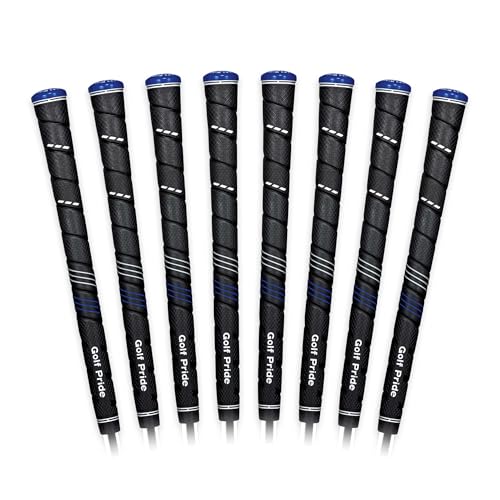
Premium Golf Grip Set: The CP2 Wrap Grip combines classic wrap-style texture with modern design for optimal comfort and control
The Culprit: Impact of Torque on Spinal Discs
Torque generated during your golf swing can greatly increase pressure on your spinal discs. These repetitive twisting motions in golf pose a risk factor for disc herniation.
The torque from your swing has the potential to lead to disc degeneration and subsequent herniation.
Torque and Discs
Significant stress is placed on spinal discs during a golf swing due to the torque generated. The twisting motion in golf can contribute to disc degeneration and potential herniation. Excessive torque can lead to wear and tear on the discs, increasing the risk of herniation.
Repetitive torque from golf swings can cause cumulative damage to the spinal discs over time. To mitigate these risks, it’s vital to focus on proper technique and conditioning. By ensuring that your swing mechanics are sound and strengthening the muscles supporting your spine, you can help reduce the impact of torque on your spinal discs during golf.
Taking proactive steps to protect your spinal health is essential for long-term enjoyment of the game.
Spinal Stress Factors
Repetitive twisting and impact in golf can exert significant stress on spinal discs, potentially leading to herniated discs.
The torque generated during a golf swing places considerable pressure on spinal discs, increasing the risk of disc herniation. The combination of rotational forces and axial compression in golf can result in disc degeneration and potential herniation.
Over time, spinal discs may weaken with repeated golf swings, making them more vulnerable to herniation. To mitigate spinal stress factors and reduce the risk of herniated discs, it’s essential to focus on proper technique, core strength, and conditioning.
By emphasizing these aspects, golfers can help safeguard their spinal health and minimize the chances of sustaining a herniated disc while enjoying their game.
Disc Injury Risk
When engaging in golf, the twisting and impact involved can pose a risk to your spinal discs, potentially leading to herniation due to the forces exerted on them. The torque generated during golf swings increases the likelihood of developing a herniated disc.
Repetitive twisting motions and impact forces from golf swings, especially with poor mechanics, can put pressure on spinal discs, making them more susceptible to injury. The combination of rotational movements and axial loading in golf can contribute to disc herniation.
To reduce the risk of herniated discs, it’s important for golfers to maintain proper form, technique, and conditioning. Being mindful of how these factors affect your spinal health can help prevent serious injuries while enjoying the game.
Recognizing the Warning Signs: Symptoms of Herniated Disc
If you experience pain in your lower back, weakness or numbness in your legs, or tingling in your extremities while playing golf, these could be signs of a herniated disc. Shooting pain or discomfort during swings and difficulty bending, twisting, or standing for prolonged periods are also indicators to watch out for.
Seeking medical attention for persistent or worsening symptoms is essential to address a herniated disc potentially caused by playing golf.
Pain in Lower Back
How can you recognize the symptoms of a herniated disc in your lower back?
Lower back pain is a key indicator, often characterized by a sharp, shooting sensation. This discomfort may intensify with certain movements like bending, lifting, or twisting, suggesting a potential herniated disc.
Alongside back pain, you might experience numbness or tingling in your legs or feet, which can be associated with a herniated disc.
Additionally, muscle weakness in your lower back or legs could be present, affecting your daily activities and pointing towards nerve compression.
Identifying these symptoms early on is essential as it can prompt timely medical evaluation and appropriate treatment for a suspected herniated disc.
Leg Weakness or Numbness
Leg weakness or numbness often signals a herniated disc pressing on spinal nerves, impacting your leg function and mobility. When a herniated disc compresses the nerve roots that control leg function, it can lead to numbness or weakness in the legs, affecting balance, coordination, and overall mobility.
Recognizing these symptoms is vital for diagnosing a herniated disc and determining the appropriate treatment. Seeking prompt medical attention for leg symptoms related to a herniated disc can help prevent further complications and improve outcomes.
If you experience persistent leg weakness or numbness, especially accompanied by lower back pain, it’s essential to consult a healthcare professional for proper evaluation and management of a potential herniated disc.
Tingling in Extremities
When experiencing tingling in your extremities, it could be a common symptom indicating a herniated disc, typically caused by nerve compression. Herniated discs in the spine can lead to tingling sensations radiating down your arms or legs.
This tingling may signal nerve involvement due to a herniated disc affecting nerve function, potentially resulting in numbness or tingling in your arms or legs. Recognizing tingling in your extremities as a symptom of a herniated disc is important for seeking timely medical attention.
If you notice persistent tingling sensations, especially accompanied by other symptoms like pain or weakness, it’s vital to consult a healthcare professional for a proper diagnosis and appropriate treatment to address the herniated disc and alleviate your symptoms effectively.
Safeguarding Your Spine: Preventing Herniated Disc in Golf
To prevent a herniated disc while playing golf, focus on maintaining proper swing mechanics and posture. Herniated discs can occur when there’s excessive strain on the spinal discs, often due to poor body mechanics during the golf swing.
Ensuring that you have a smooth and controlled swing, with proper technique and posture, can help reduce the risk of this type of injury. It’s essential to engage your core muscles and avoid putting excessive pressure on your spine.
Additionally, using equipment that’s suited to your body and skill level can also play a role in preventing herniated discs. Clubs with the appropriate shaft flex can help reduce the impact on your spine and lower back.
Regularly stretching and warming up before a round of golf can also help prepare your body for the physical demands of the game, reducing the likelihood of injury.
Lastly, listen to your body and avoid pushing yourself too hard during your golf sessions. Recognize when you need to take a break or adjust your technique to prevent overexertion and minimize the risk of developing a herniated disc.
Core Strengthening Exercises for Golfers
To enhance your golf game and reduce the risk of herniated discs, incorporate core strengthening exercises into your routine.
Engaging in core strengthening exercises can greatly benefit golfers by improving stability and balance during their swings. These exercises help in reducing the strain on the lower back, potentially preventing herniated discs.
Effective core exercises for golfers include planks, Russian twists, and bird dogs. By strengthening your core, you can enhance the transfer of power from your lower body to the club, ultimately improving your overall performance on the golf course.
Consistent incorporation of core workouts into your routine can also lead to better posture, a reduced risk of injuries, and enhanced golfing abilities. Therefore, dedicating time to core strengthening exercises not only benefits your golf game but also plays an important role in maintaining a healthy back and preventing potential issues like herniated discs.
Seeking Medical Help for Back Pain
If experiencing back pain from golf, consider seeking medical help promptly. Back pain from golf can sometimes be a sign of a herniated disc, which may require medical evaluation.
Symptoms such as radiating pain or weakness should prompt you to seek medical assistance. A healthcare professional can conduct imaging studies like an MRI to confirm if golfing caused a herniated disc.
It’s vital to seek prompt treatment as it can prevent the herniation from worsening and aid in the recovery process. Consulting a healthcare professional is essential for the proper diagnosis and treatment of golf-related back pain, especially if you suspect a herniated disc.
Recovery Process for Golf-Related Injuries
Begin your journey to recovery from golf-related injuries with a strategic focus on rest, physical therapy, and gradual reintegration into activity. For herniated discs, proper rehabilitation is vital to regain strength and flexibility.
The recovery process varies based on the severity of the injury and individual healing rates. In some instances, surgery like microdiscectomy may be necessary for persistent symptoms. Collaborating with healthcare professionals and adhering to a personalized recovery plan can optimize healing for golf-related injuries.
Rest allows the body to repair damaged tissues, while physical therapy helps improve mobility and strength in the affected area. Gradually reintroducing golf-related activities under guidance minimizes the risk of re-injury.
Following rehabilitation protocols diligently is essential for a successful recovery and return to the golf course. Remember, patience and consistency are key during this process to ensure long-term healing and prevent future complications related to herniated discs.
Returning to Golf Post-Disc Injury
How can you safely resume playing golf after recovering from a herniated disc injury?
Returning to golf post-disc injury requires a gradual progression back to the sport to avoid re-injury or exacerbating the herniated disc. Start by focusing on physical therapy and core strengthening exercises to rebuild strength and stability before hitting the golf course again.
Essential swing mechanics and body mechanics are vital to prevent excessive strain on the spine and potential recurrence of the disc injury. Consulting with a healthcare provider or physical therapist can help create a customized plan for safely resuming golf activities.
Monitor your symptoms closely and adjust the intensity and duration of play based on pain levels during the recovery process. By taking these precautions and gradually easing back into the game with a focus on strength, mechanics, and pain management, you can increase your chances of returning to golf successfully after a herniated disc injury.
Long-Term Care for Golfers With Disc Issues
Returning to golf post-disc injury involves implementing a comprehensive long-term care plan for golfers with disc issues, focusing on regular symptom monitoring and continued engagement in spine-strengthening activities. To manage disc herniation effectively, it’s important to prioritize physical therapy and core strengthening exercises. These activities play a significant role in maintaining spinal health and preventing future injuries on the golf course.
Additionally, ensuring proper swing mechanics and making necessary equipment adjustments can help prevent exacerbation of disc issues during play.
Regular follow-up appointments with a healthcare provider are essential for tracking progress, addressing concerns, and making any adjustments to the care plan. Engaging in low-impact activities such as swimming or walking can further support long-term recovery and reduce the risk of re-injury for golfers with disc issues.
Conclusion
In summary, herniated discs can indeed result from playing golf, particularly when proper techniques aren’t followed.
The repetitive twisting and impact of golf swings can strain spinal discs, leading to potential disc degeneration and herniation.
It’s important for golfers to focus on maintaining proper swing mechanics, engaging core muscles, and using equipment that reduces strain on the spine to prevent the development of herniated discs and guarantee a safer golfing experience.

Drive a wedge into golf - When placing the club in the curved padding it will be secure. The club will not rotate or slip. This prevents shaky backswings, hitting, and following.

Includes 2 golf gloves and a free pack of performance tees
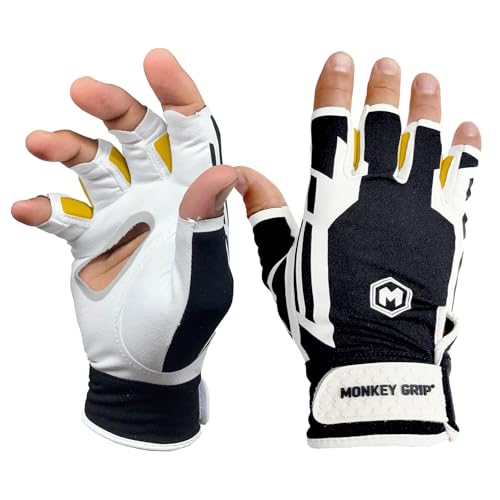
Right hand glove for UV protection - Developed to protect hand from the sun during rounding