
You’re staring down the slope, disc in hand, feeling the pull of gravity. It’s time to dominate the descent. With the right techniques, you’ll launch your disc golf game to new heights.
We’ve got the pro tips to help you master the art of the downhill throw. From selecting your disc to perfecting your follow-through, we’ll guide you through every step.
Get ready to unleash your power with precision. Let’s conquer every slope with confidence.
Assessing the Landscape
Before you let your disc fly, take a moment to assess the slope’s gradient and shape, as it will significantly affect your disc’s trajectory and final resting spot. Mastering slope reading is pivotal; you’ve got to gauge the hill’s steepness and contours. Is it a gentle descent or a sharp drop? Your disc’s behavior will change accordingly.
Factor in wind consideration too—headwinds and tailwinds alter speed and distance. Don’t just chuck your disc and hope; analyze the terrain, feel the breeze, and strategize your approach. A tailwind? Power down a bit. A headwind? It’s time to throw with more oomph.
You’re not just playing against opponents; you’re outsmarting the landscape itself. Embrace this freedom, and let your strategic prowess lead to triumph.
Choosing Your Disc
Armed with knowledge of the slope, you’ll next need to select a disc that complements your descent strategy and plays to the hill’s characteristics.
Opt for a disc with less stability; the extra glide will serve you well in maximizing the elevation change to your advantage. Factor in wind considerations—downhill throws can exaggerate the effects of a headwind or tailwind. A stable-to-understable disc is your ally against a headwind, while a more stable choice resists flipping in a tailwind.
Your disc’s weight also matters. Lighter discs can be advantageous for their increased glide, but beware of their susceptibility to wind. In calm conditions, they can be your ticket to freedom on the course, effortlessly dancing down the incline with finesse and precision.

PDGA Approved: This PDGA Approved U.S. Landmark disc set is 150 Class (145-150g) and includes 2 Putter (U.S. Capitol), 2 Mid-range (Statue of Liberty), 2 Driver (Golden Gate Bridge), and 1 Mini Maker

COMPLETE SET: This complete disc golf set from Franklin Sports is the perfect yard game for a family picnic, barbecue, or other get-together

Best choice for: Straight Line Driver, Anhyzer Shots and Roller Shots
Adjusting Your Stance
Your stance is the foundation of a controlled and powerful downhill throw in disc golf.
Adjusting your footing to the slope ensures stability and precision when targeting landing zones. Lean slightly back to counterbalance the descent’s pull. Your footwear choice is crucial; it must provide grip and support on varied terrain.
Here’s a quick table to guide your stance adjustment:
| Factor | Adjustment |
|---|---|
| Slope Grade | Lean back proportionally to the steepness |
| Footwear Grip | Select shoes with robust tread for slip prevention |
| Throw Power | Reduce force to avoid overshooting the landing zone |
Mastering these modifications will liberate your game, allowing you to navigate courses with confidence and skill. Embrace the freedom of the hills by making the ground work for you, not against you.
Mastering the Grip
Every successful downhill throw in disc golf hinges on perfecting your grip, ensuring the disc releases cleanly and flies true to your aim.
To master this, focus on consistent finger pressure throughout the grip. Your fingertips should anchor firmly against the inside rim, while the rest of your fingers maintain a relaxed but controlled hold. Achieving this balance is critical; too much pressure can lead to over-stability, causing the disc to veer off course, whereas too little will make it understable and unpredictable.
As you initiate the throw, emphasize a smooth wrist snap, which will add spin and stability to the disc’s flight. This motion is a rapid, controlled pivot of the wrist, not a forceful twist. Think finesse, not brute strength, for precision and power in your downhill conquest.
The Downhill Throw
As you stand atop the descent, your disc selection becomes pivotal; opt for a stable to understable disc that complements the hill’s gradient.
You’ll need to adjust your release angle to maintain control—aim higher than usual to leverage gravity without sacrificing accuracy.
Disc Selection Strategy
Choosing the right disc is crucial when you’re preparing to tackle a downhill throw in disc golf. Wind considerations and power control are paramount in your selection strategy. Opt for a disc with more glide and less stability to harness the hill’s slope, allowing for a controlled, sweeping descent.
Be mindful of the wind’s direction; a headwind requires a disc with greater stability to resist turning over, while a tailwind can be exploited with a less stable disc for extra distance.
Your power control also dictates your choice. A softer throw with a stable disc can yield precision without risking an overshoot. Remember, the disc doesn’t need to fight gravity—work with the hill, not against it, to master the art of the downhill throw.
Adjusting Release Angle
How do you adjust your release angle to capitalize on the downhill slope and enhance your disc’s flight path?
Grasping the gravity impact is crucial. A steeper descent requires a more pronounced nose-down angle, preventing the disc from lifting and stalling. You’ll need to release with a slightly lower angle than you’d on flat ground, allowing the hill to guide the disc’s trajectory.
Simultaneously, factor in wind consideration. A headwind demands an even flatter release to avoid unwanted elevation, while a tailwind allows for a slightly steeper angle, using the wind to carry the disc further.
Mastering the subtle art of angle adjustment gives you the freedom to command the course and excel in downhill throws with unyielding precision.
Controlling Descent Speed
In addition to adjusting your release angle, you’ll need to manage your descent speed by moderating your throwing power to ensure your disc doesn’t overshoot the target. Factor in the wind’s influence; a headwind can lift and carry your disc farther, while a tailwind might shorten your throw. Develop a keen sense of how these wind factors play into your downhill strategy.
Cultivate a deep mental focus. Visualize the path of your disc and the exact point of landing. This isn’t just about raw power; it’s about controlled finesse. Apply just enough force to navigate the slope, not to battle it. Remember, freedom on the course comes from the mastery of these subtleties.
Your throw should whisper down the hill, landing with precision.
Controlling Your Speed
While you’re mastering the art of downhill throws, it’s crucial that you learn to control your speed to avoid overshooting the basket.
Speed modulation isn’t just about power; it’s about finesse and understanding the course. Factor in wind considerations—headwinds can slow a disc down, while tailwinds can carry it further than intended. Use a stable to overstable disc that won’t turn over easily in the wind.
Here’s the strategy: grip your disc lightly and focus on a smooth release. Don’t muscle it; let gravity do the work. Practice throwing with different levels of power to find the sweet spot where your disc sails straight to the target without excess speed. This precision will set you free on the course, giving you the confidence to attack any downhill shot.
What Techniques Can I Use to Improve My Downhill Disc Golf Throwing?
Improving your downhill disc golf throwing requires mastering techniques like unleashing flight with hyzer highs. To excel, focus on adjusting your release angle, controlling your wrist snap, and maintaining a smooth follow-through. Practice controlling the hyzer angle and release point to navigate downhill shots more effectively.
The Follow Through Matters
Your follow-through is as critical as your release when throwing downhill; it’s what ensures stability and accuracy post-release.
You’ll need to maintain a solid balance and correct posture throughout the motion to avoid unwanted disc drift.
Additionally, mastering the angle at which you release the disc is key for controlling its flight path and landing zone.

ORTHOPEDICALLY PROVEN: The SISSEL Classic Neck Pillow in size M has provided ergonomic support for 30 years. Made from polyurethane foam, it corrects and supports the spine for restful sleep.
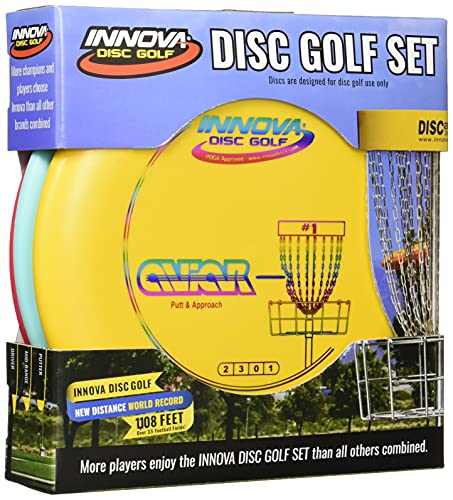
Complete Set: Includes One Driver, One Mid-Range And One Putter

ABOUT THE HATCHET - The Westside Discs VIP Hatchet is a fairway driver designed for ease of use and consistent control. Its comfortable feel and user-friendly design make it suitable for players looking to shape accurate lines on the fairway.
Balance and Posture
For optimal control on downhill throws, you’ll need to hone your follow-through, ensuring your balance and posture remain steady and deliberate.
Pay close attention to your weight distribution and center of gravity during the motion. Your body’s weight should transition smoothly from your back foot to your front foot as you release the disc. This fluid motion allows for a controlled descent and precise landing.
Here’s a quick reference table to guide your posture and balance:
| Aspect | Focus Point |
|---|---|
| Stance | Wide and stable |
| Center of Gravity | Low and centered |
| Weight Shift | Smooth from back to front |
| Arm Movement | Follow through fully |
| Head Position | Look where you throw |
Disc Release Angle
Adjusting the angle at which you release the disc is crucial for maintaining control as it sails down the slope. Nailing your release mechanics with angle consistency ensures that the disc doesn’t veer off course under the pull of gravity. You’re after that sweet spot where the disc maintains a steady glide, rather than plummeting downward or climbing too high, where it’s at the mercy of the wind.
As you perfect your follow-through, envision the line you want the disc to travel. Match your release angle to this visualization. It’s not just about power; it’s the finesse in your motion that dictates the disc’s trajectory. Release flat for a straight shot, or with a slight hyzer or anhyzer angle to navigate the terrain.
Trust in your technique, and you’ll dominate the descent.