
In the realm of disc golf, mastering the forehand is akin to a knight perfecting their swordplay, with your choice of disc—overstable or understable—serving as your blade. You’ve likely heard the debate, but understanding the nuances between overstable and understable discs can transform your game.
When you grip that disc, you’re not just holding a piece of plastic; you’re wielding a tool shaped by its flight characteristics, one that can carve through the air with precision or meander with grace depending on its design and your technique.
As you stand on the precipice of this knowledge, you might wonder which path leads to mastering the forehand shot. The journey is complex, filled with trial and error, but it’s essential for those looking to elevate their game.
Stick around to uncover how these choices can influence your play style, potentially unlocking new strategies and achievements on the course.
Unlocking Forehand Mastery: Overstable vs. Understable Discs
In disc golf, understanding a disc’s stability is key to predicting and controlling its flight path effectively. When you’re selecting a disc, knowing whether it’s overstable or understable helps you make strategic choices for your shots.
Overstable discs, with their resistance to turning, are your go-to for battling the wind and ensuring a reliable fade. On the flip side, understable discs, which turn more easily, can achieve greater distances, especially when thrown with an anhyzer release.
Mastering the angle of the disc at release is crucial. An anhyzer angle with an understable disc can maximize your distance, making these discs easier to throw, particularly for beginners or when you aim to curve around obstacles. Conversely, if you’re looking to throw forehand or need a disc that holds a line despite strong winds, an overstable disc is your ally.
Understanding these dynamics allows you to tailor your flight pattern strategically. Whether you’re aiming for max distance with an understable disc on an anhyzer release or seeking the predictable fade of an overstable disc, grasping stability gives you the freedom to navigate the course with confidence.
Forehand Grip Essentials for Power and Precision
Understanding the stability of a disc golf disc is crucial, but equally important is mastering the forehand grip essentials to execute those flights accurately.
Whether you’re aiming for a distance forehand or simply trying to outmaneuver an obstacle with a precise flick, the way you hold your disc can make or break your game. Nate Sexton, a renowned figure in the disc golf world, often emphasizes the significance of grip in achieving both power and accuracy.
Here’s how you can refine your grip for forehand throws:
- Firm Grip with Index Finger on Outer Rim: This isn’t just about holding the disc; it’s about owning your throw. Your index finger on the rim adds control and power, transforming your forehand into a weapon.
- Thumb Pressing Down on Flight Plate: Stability isn’t a suggestion; it’s a requirement. This technique ensures your disc flies true to your intentions.
- Wrist and Forearm Alignment: A misaligned wrist is bad technique personified. Keeping your wrist firm and aligned guarantees the disc will follow your envisioned path.
- Experiment with Grip Pressure: Finding the sweet spot between power and control is a journey. It’s about embracing the freedom to adapt and refine until you hit that perfect release point.
Mastering these forehand grip essentials isn’t just about avoiding bad technique; it’s about unlocking the full potential of your Forehand Discs and elevating your game to the level of players like Nate Sexton.

Nuke OS - Distance Driver: Speed 13 | Glide 4 | Turn 0 | Fade 4 | Stability 2.2. Please note: Disc colors and stamp will vary, weight range 160-176g. The Nuke OS is the extremely overstable version of the popular max speed Nuke distance driver, perfect for full power shots and high winds.

FLIGHT RATINGS - Speed 9, Glide 3, Turn 0, Fade 4 Dazzling in appearance, the Halo Firebird still has an abundance of overstability that players crave. Backhand. Forehand. Overhand. However you throw it, this disc delivers.
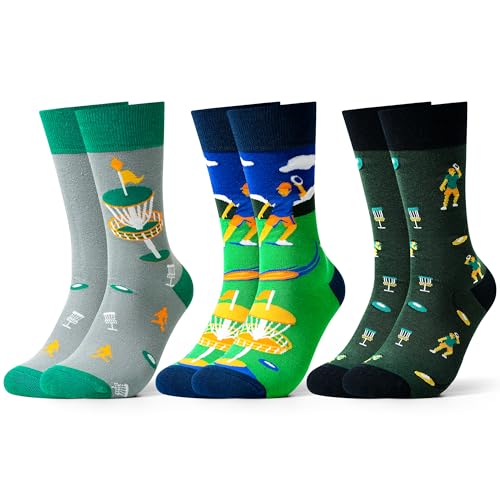
Ultimate Comfort for the Course & Beyond - Crafted from high-quality, breathable cotton, these crew socks provide all-day comfort whether you're on the disc golf course or relaxing at home. They offer excellent cushioning and moisture-wicking to keep your feet dry and comfortable during long games or daily wear.
Tailoring Your Disc Selection for Forehand Success
Selecting the right disc for your forehand throws can significantly impact your game’s versatility and score. When choosing your disc, it’s crucial to understand the dynamics of overstable vs. understable discs.
Overstable discs, like the Zone or Harp, tend to fade more and are less affected by wind. They’re ideal for throwers seeking reliability and precision, especially in adverse conditions.
Understable discs, on the other hand, offer a different flight path, turning right (for a right-handed thrower) before fading left, which can be advantageous for navigating obstacles or shaping shots.
To elevate your game, start with overstable putters and midranges for their forgiving nature in mastering forehand technique. Incorporating these into your field work builds a solid foundation, refining your throw’s power and angle control.
As you become more proficient, experiment with understable discs to learn to throw with a variety of angles and speeds. This approach fosters versatility, allowing you to adapt to any course layout.
Mastering the Release Angle
Mastering the release angle is essential for controlling your disc’s flight path, requiring precise wrist flick and control.
Whether you’re aiming for a forehand or backhand throw, the angle at which you release the disc—be it with overstable or understable discs—significantly influences its journey. This control offers you the freedom to shape your shots, achieving maximum distance and accuracy.
Consider the following to master your release angle:
- Understand the Physics: Knowing how overstable discs require a big, powerful flick to straighten out and how understable discs can turn too much if you try to throw them too hard. It’s all about balance.
- Adjust Your Wrist: Practice varying your wrist angle upon release. Hyzers and anhyzers are achieved by tilting your wrist down or up, respectively.
- Experiment: Don’t shy away from experimenting with different release angles. The field is your laboratory, and every throw is a test.
- Consistency is Key: Achieving consistency in your release angle is paramount. It’s the foundation upon which you can build and adjust your technique for various discs and conditions.
Mastering your release angle empowers you to command the course, turning obstacles into opportunities with each throw.
How Can Precise Form Impact Disc Stability in Disc Golf?
The power of precise form in disc golf is crucial for disc stability. When a player has perfect form, the disc is released with optimal spin and angle, leading to a more stable flight path. Precise form minimizes wobble and flutter, resulting in improved accuracy and greater distance.
Adjusting for Wind Conditions
While honing your release angle offers significant control over your disc’s flight, it’s equally crucial to adjust your strategy in response to varying wind conditions for optimal performance.
When you’re facing a headwind, it’ll amplify the natural flight characteristics of your discs. For forehand throws, selecting an overstable disc can counteract the tendency of the wind to lift and turn the plastic. This choice ensures your throw retains more predictability and fights through the wind, maintaining distance and accuracy crucial for your golf game.
Conversely, a tailwind compresses and stabilizes the flight, allowing you to exploit this by choosing an understable disc. The reduced resistance can enhance the glide and distance of your throw, but requires a deft touch to control the added carry. Adjusting your throw’s power and angle in these conditions can capitalize on the wind’s effect, turning a challenging gust into an ally.
Mastering these adjustments in wind conditions elevates your forehand technique, offering you the freedom to navigate any course with confidence. The dynamic interaction between overstable and understable discs and the wind becomes a valuable tool in your arsenal, refining your approach to each throw and enhancing your overall disc golf game.
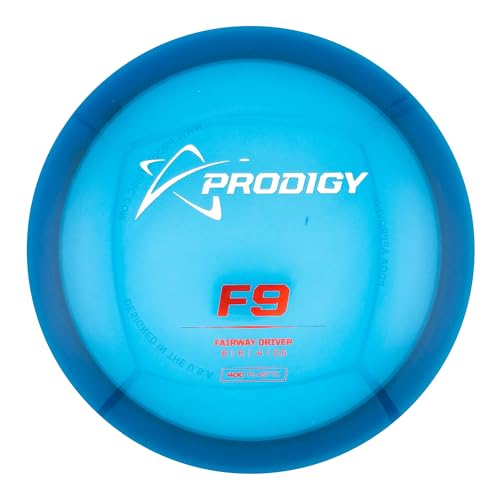
ABOUT THE F9: The F9 is Prodigy Disc's most understable fairway driver, making it suitable for beginners and players with slower arm speeds. Designed for easy control and consistent flights, it helps newer players achieve smoother throws and more distance. Whether you're learning the game or fine-tuning your skills, the F9 is a reliable choice for maximizing performance on the course

Best choice for: New Players, Long Anhyzers and Roller shots

"I'm a bit understable" ,this is a great gift for Disc Golf Dad, Father,Husband. This saying will get laughs and your best friends and family will love it. funny frisbee golf disc humor quote gift for Fathers Day